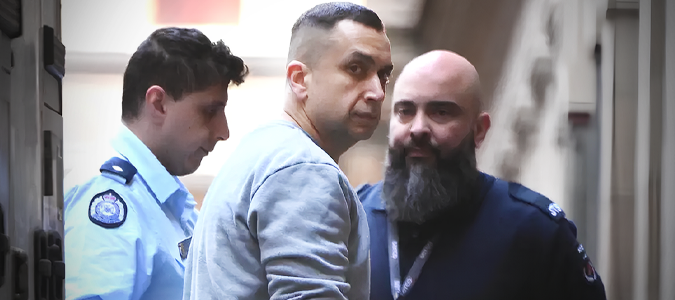
The Australian chess community faces a serious reckoning after Shumsheer Singh Ghumman, 47, was denied bail on 35 charges including stalking and intimidation of a female chess streamer.
The Victorian Supreme Court rejected Ghumman's bail application this week. Prosecutors outlined a pattern of conduct spanning from April 2024 through May 2026 that included systematic collection of personal information. He allegedly tracked her family members, friends, residential addresses, and travel schedules. The investigation also uncovered evidence that Ghumman contacted overseas authorities about the woman, resulting in her detention when she arrived in Qatar and again at another international border crossing.
The severity of charges reveals what amounted to coordinated harassment across borders. Ghumman faces not only stalking and intimidation counts but also allegations of attempting to pervert the course of justice, suggesting he took steps to obstruct the investigation itself. The bail denial indicates the court found substantial grounds to detain him pending trial.
This case arrives at an inflection point for chess communities worldwide, particularly online platforms where streamers have become prominent figures in popularizing the game. Female chess streamers especially have reported elevated harassment and safety concerns, though most cases never reach courts. The Ghumman situation demonstrates that chess spaces are not immune to serious criminal behavior.
The chess community's response matters here. Online chess platforms, federations, and community leaders have begun acknowledging that harassment and stalking create hostile environments for women players and streamers. The Australian Chess Federation has not yet issued a public statement regarding Ghumman's case, but the charges themselves carry reputational weight that extends beyond one player.
What happens next hinges on the legal process. Ghumman remains in custody pending trial. The prosecution will need to present evidence supporting each of the 35 charges. The complexity of the international elements, particularly the alleged coordination with foreign authorities, suggests the investigation was thorough and the case presents genuine legal challenges for the defense.
For the woman at the center of this case, the bail denial offers some measure of protection while she navigates a trial process that could extend well into 2025 or beyond. Her identity has been protected in court documents, appropriate given the nature of the allegations.
The chess world's conversation around player safety and online harassment has intensified in recent years, but incidents like this one confirm that awareness campaigns and community guidelines remain insufficient. Real consequences, enforced through the legal system, are what actually deter predatory behavior.