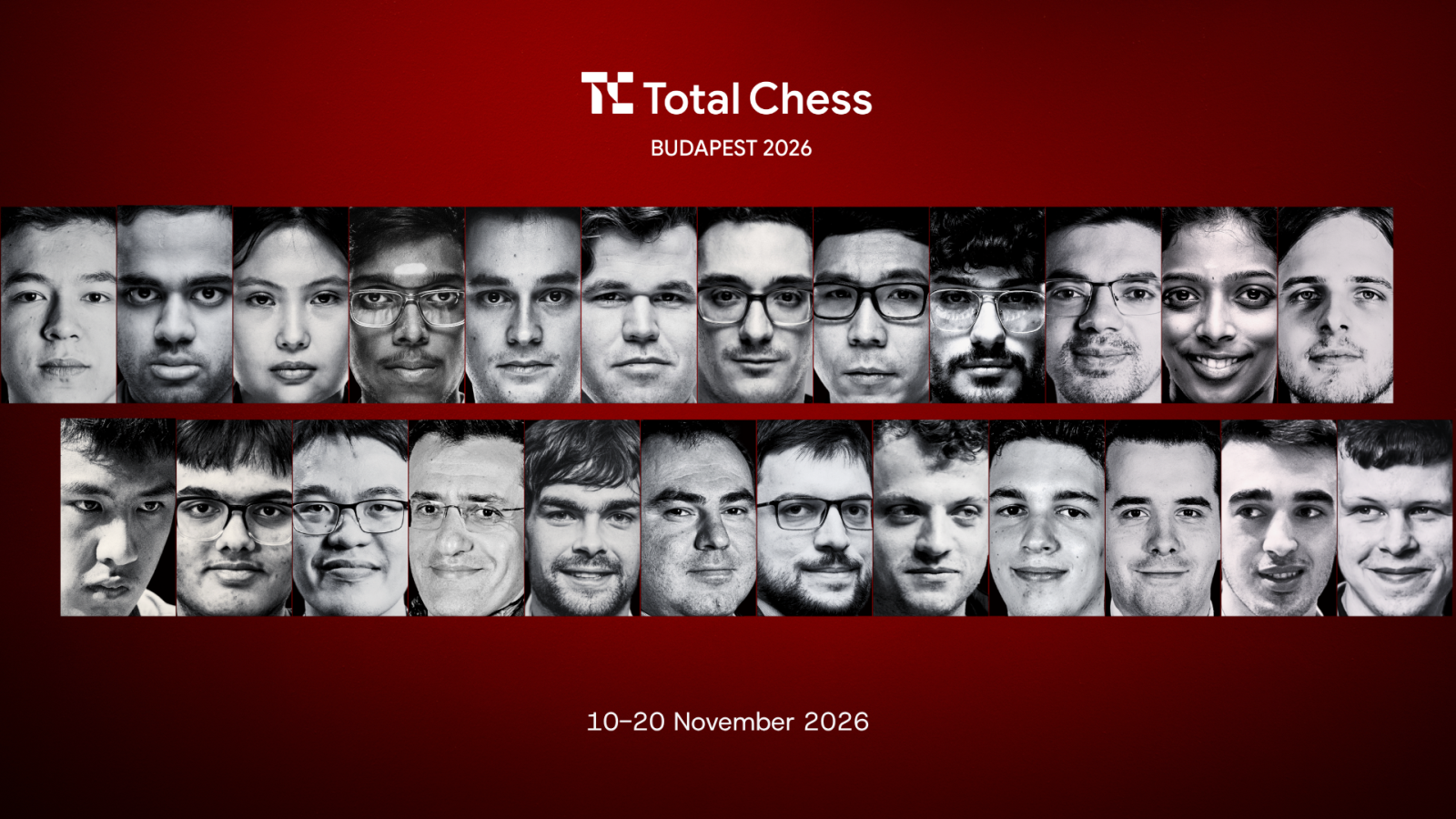
The Total Chess World Championship Tour Pilot finally has its full 24-player roster, and organizers secured three major names in the final confirmation wave. Levon Aronian, Liem Le, and Shakhriyar Mamedyarov round out the field that will compete in Budapest from November 10-20.
This matters because the pilot phase determines whether this new tournament structure can challenge the current world championship qualification system. The FIDE circuit has grown fractured over the years, with no clear pathway for challengers outside the inner circle. A robust pilot with legitimate top-tier talent signals the organizers are serious about building something that actually attracts the world's best, not just fringe players.
Aronian's inclusion carries particular weight. The Armenian grandmaster has been active on the elite circuit for two decades and remains a credible threat in any field. His participation suggests the organizers convinced him this tour pilot offers genuine competitive value and opportunity, not just a payday event. Le and Mamedyarov round out a credible core of testing opposition.
The 24-player format itself is worth watching. That's large enough to require qualification depth but small enough to maintain meaningful tournament strength. Compare that to some previous attempts at alternative circuits, which either drew scattered lineups or required such a large field that seeding and pairings became logistically murky. Here, everyone gets matched against serious competition multiple times.
What we're really tracking is whether this pilot generates enough compelling results to justify expansion or whether it becomes a one-off boutique event. If the organizers can run November cleanly, produce dramatic games, and keep the prize fund competitive, they build momentum for 2025. If the tournament feels amateurish or undersubscribed despite the confirmed names, the entire concept stalls.
The Budapest venue helps. Hungary has hosted world championship events before and has solid infrastructure for top-level chess. November timing gives players nearly two months to prepare specifically for this format rather than traveling from another major event already in progress.
One detail to track: pairing assignments and whether the organizers group the field by strength or mix it across rounds. That decision directly affects whether we see the strongest players grinding through each other early or whether they're distributed to maximize compelling matchups throughout.
The field is set. Now the organizing committee needs to deliver a technically sound event with clean pairings, reliable commentary, and timely results. That's where the real test begins.