Naganethra Reddy came to chess from badminton and motorsport, expecting a sterile, unreadable spectacle. She was wrong, but not in the way you'd think.
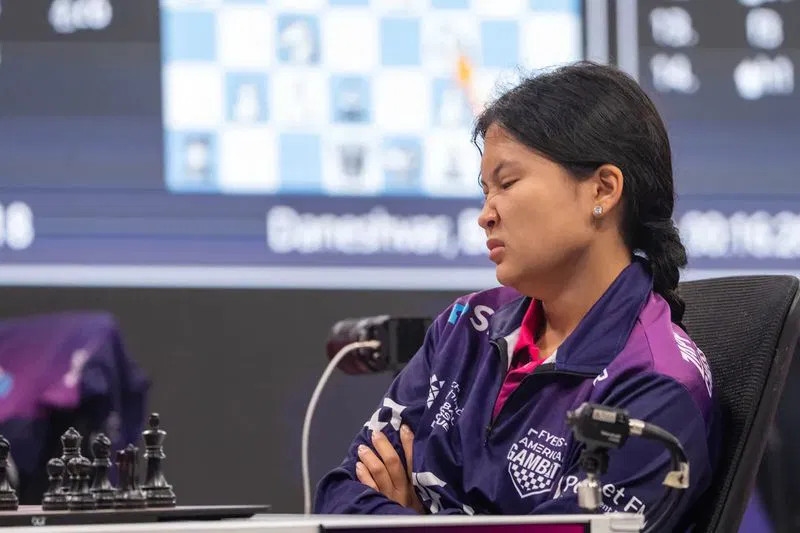
Watching the Global Chess League flipped her perspective. The drama isn't in flashy moves or explosive action. It lives in the small things. A glance across the board. A pause before moving. The subtle body language players leak when they're under pressure. These moments tell the story better than any highlight reel could.
The commentary matters too. A good analyst doesn't just explain what happened. They weave the narrative. They tell you why a player hesitated on move 17, or what that hand gesture meant when someone faced a decision. Context transforms silence into tension.
This is what makes chess different from other sports Reddy knew. Badminton explodes with visible effort and speed. Motorsports scream with sound and danger. Chess appears calm on the surface. But look closer and the intensity is there. The stakes are internal. The battle happens in the mind, and players telegraph their struggles through barely noticeable gestures.
The Global Chess League succeeded partly because it understood this. It didn't try to turn chess into something it isn't. Instead, it showed viewers how to read what was already happening. The drama was always there. You just needed to know where to look.