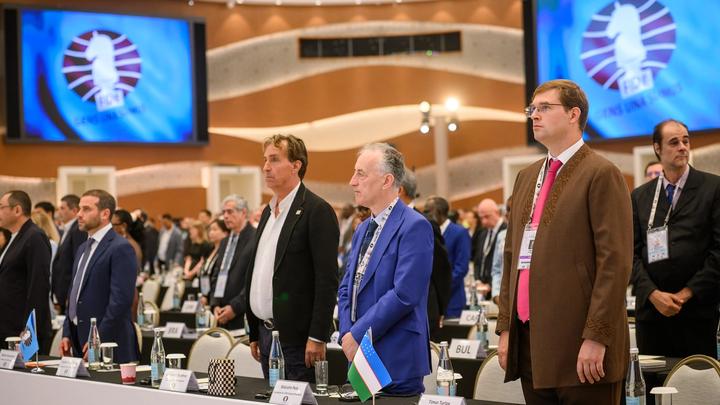
Malcolm Pein's endorsement of Timur Turlov in the FIDE presidential race has crossed from chess gossip into mainstream business scrutiny. Business Matters, a UK business publication, published an October 9 piece examining whether Pein's backing proved decisive in Turlov's election at the Samarkand General Assembly. The timing matters: Turlov remains under Ukrainian sanctions, making his ascension to lead world chess a geopolitical headache the federation did not need.
Pein, who runs the London Chess Club and wields real influence in English chess circles, is not a marginal figure. He sits close to power in the Anglophone chess world. His endorsement carries weight with voters who respect his judgment on institutional matters. When Pein backed Turlov, he was sending a signal to the federation's delegates that this candidate deserved their confidence.
The problem is obvious: Turlov is sanctioned by Ukraine over his alleged ties to Russian oligarchs and business activities. FIDE electing him as president creates a PR nightmare and invites legitimate questions about who really influences the federation's direction. If a single well-placed English voice could swing enough votes to elect someone under active sanctions, it raises uncomfortable questions about the gatekeeping process itself.
Business Matters framed its reporting as questions rather than conclusions, which is the correct approach given the complexity here. Did Pein's endorsement tip the balance? Probably not single-handedly. FIDE's 188 member federations cast votes. Most delegates made their own calculations. But Pein's backing would have reassured wavering voters, particularly those from Western federations uncomfortable with Turlov but searching for reasons to support him anyway.
What changes now is simple: FIDE has a credibility problem. The federation already struggles to explain how it operates fairly and transparently. Electing someone under sanctions, especially with high-profile backing from respected figures like Pein, looks like insiders choosing an insider. The business press attention means this story will not stay confined to chess Twitter and federation politics forums. It will reach sponsors, broadcasters, and national federations considering their FIDE memberships.
Turlov will need to act decisively on the sanctions question. Either he resolves the Ukrainian situation or he accepts that his presidency will carry an asterisk. For Pein, the scrutiny may make him think twice before public endorsements in future federation elections. When your backing gets examined in the business press alongside sanctions allegations, you have lost control of the narrative.
The real question is whether FIDE's delegates care. If they do not, this story dies. If they do, pressure will mount on Turlov to address his legal standing before the federation's credibility takes permanent damage.