Timur Turlov won the FIDE presidency this weekend. The victory itself matters less than who congratulated him and what that moment reveals about chess politics in 2024.
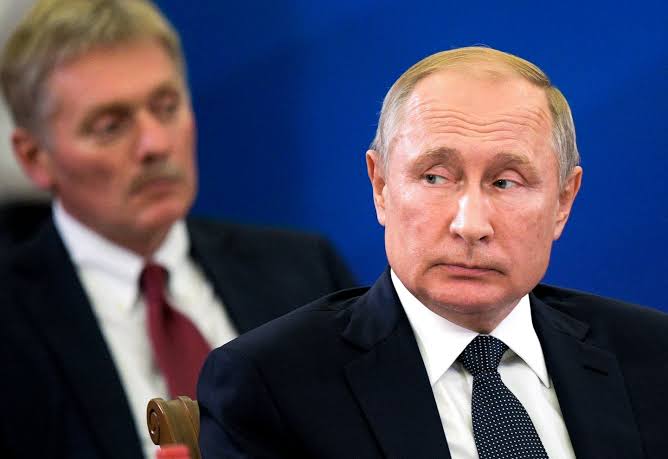
Dmitry Peskov, Vladimir Putin's press secretary, offered the congratulations. Standard move. Except Peskov wasn't speaking as a Kremlin functionary. He wore a different hat: chairman of the Board of Trustees of the Russian Chess Federation. Hours before his message, the FIDE General Assembly voted to keep the Russian Chess Federation suspended from international play.
The timing is not accidental. This is how power works in global chess administration.
Turlov, a Russian businessman, ran on a platform of reform and modernization. He defeated incumbent Arkady Dvorkovich, who had led FIDE since 2018 with a focus on cleaning up the federation's finances and governance structures. Turlov's election signals a shift. The vote was close enough to matter. It wasn't a landslide coronation.
The suspension of the Russian Chess Federation carries real weight. Russian players cannot compete in FIDE events. They cannot defend titles. They cannot earn rating points in official competitions. For a chess nation with Carlsen-level depth in its talent pipeline, this is a serious punishment. The suspension exists because of Russia's invasion of Ukraine. FIDE imposed it in 2022. Every General Assembly since has voted to keep it in place.
Peskov's statement, though dressed in diplomatic language about FIDE being "truly a unique federation," functionally says this: Moscow is comfortable with Turlov's leadership. The message reaches FIDE delegates, Russian chess officials, and the broader federation. It's a nod of approval from the highest levels.
What changes now? Watch whether Turlov pushes for a review of the Russian suspension. He won't do it openly at first. These things move slowly through committee votes and quiet conversations with delegates. But if his election empowers anyone to reframe the suspension as an obstacle to FIDE's universality, it's him.
The chess world operates on the assumption that sport and politics are separate. Everyone knows this assumption is false. Peskov's congratulation proves it. A press secretary for the Russian president doesn't hand out ceremonial praise unless chess advancement serves larger interests.
Turlov now inherits an organization managing geopolitical tensions through 64 squares. His first test isn't a spectacular initiative or a media moment. It's navigating whether a chess federation suspended for geopolitical reasons deserves reinstatement. The politics answer quickly. Chess answers slowly.