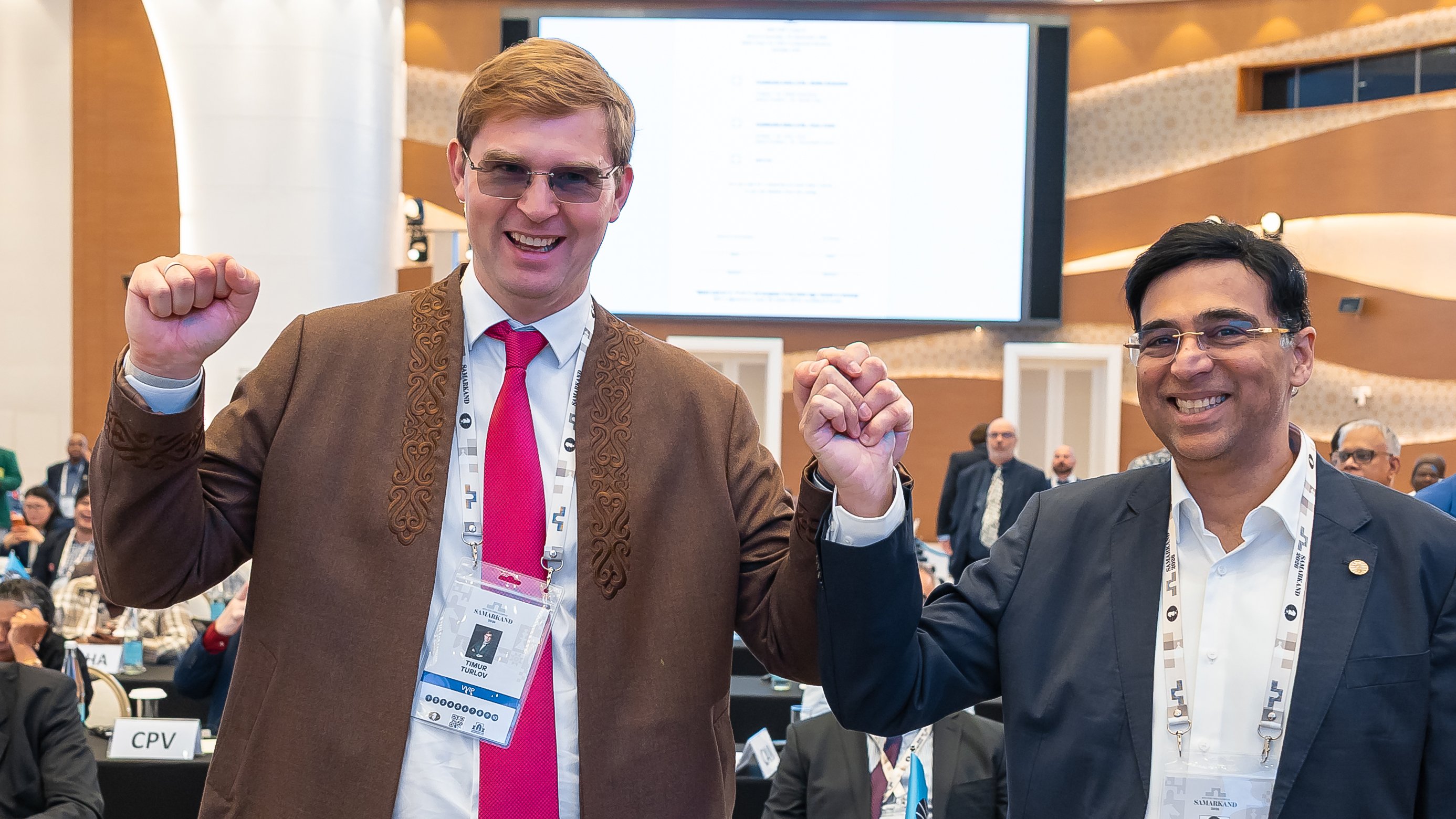
Turlov's €30 million commitment to FIDE over four years marks the clearest sign yet that the billionaire is serious about reshaping chess infrastructure. But the devil is in the details he has not disclosed.
The FIDE president plans to distribute money across four broad areas: development grants to national federations, media support for chess organizations, a new digital platform aimed at connecting players globally, and artificial intelligence research. That covers most of the federation's stated priorities. Yet the spending breakdown remains opaque. How much goes to each category? Which federations qualify for development grants? What exactly does "media support" mean in practice?
This matters because chess has been starved of institutional funding for decades. National federations operate on shoestring budgets. Youth development programs fold for lack of money. Women's chess, despite recent progress, still lacks resources that match the elite game. A genuine €30 million injection could reshape competitive chess if it lands in the right places.
The AI component deserves scrutiny. Turlov is betting that chess engines and machine learning can drive engagement and innovation. That is a reasonable bet. Computer analysis has already transformed how players prepare. An AI-backed platform could democratize access to coaching and training tools that currently exist only behind expensive paywalls. But Turlov has not explained how FIDE ensures this technology serves players rather than simply enriching tech companies.
The digital platform proposal is perhaps the most ambitious element. Chess lacks a unified global player network comparable to what exists in poker or esports. A platform built by FIDE could become the infrastructure that every federation and tournament operator uses. Or it could become bloated, outdated software that nobody uses. The difference depends entirely on execution and whether Turlov allocates enough capital to get it right.
What's missing is equally telling. There is no mention of prize fund increases for world championship matches or super-tournaments. No details about whether this money reaches the elite circuit or stays focused on grassroots development. No timeline for when federations will see actual cash. No accounting for how FIDE measures success. You cannot build something lasting without metrics.
Turlov inherited a federation with chronic structural problems: outdated governance, weak media presence, and limited funding infrastructure. His €30 million proposal is real money. It dwarfs what FIDE has controlled in the past. But real money without real transparency breeds real skepticism. Chess players have heard grand promises before.
The proof arrives when money actually flows to boards and development centers, when the platform launches and stays stable, when federations can point to concrete improvements their grants funded. Until then, this is an outline waiting for substance.