Wesley So and Awonder Liang played to a draw in round three of the U.S. Championship, ending the undefeated runs that had captivated Saint Louis all weekend. The two open section leaders met on top board Sunday and agreed to a peace treaty after 30 moves, a quiet affair that deflated the tournament's most dramatic subplot: the hunt for the $64,000 Fischer Prize.
That prize, awarded only to a player who runs the table with a perfect score, just evaporated from the open section's math. So and Liang cannot both remain unbeaten, and now neither will. The drawing together on round three signals the brutal reality of modern championship chess. At this level, two prepared opponents who know each other's style rarely risk catastrophe when a draw preserves rating and keeps them in contention for the overall prize.
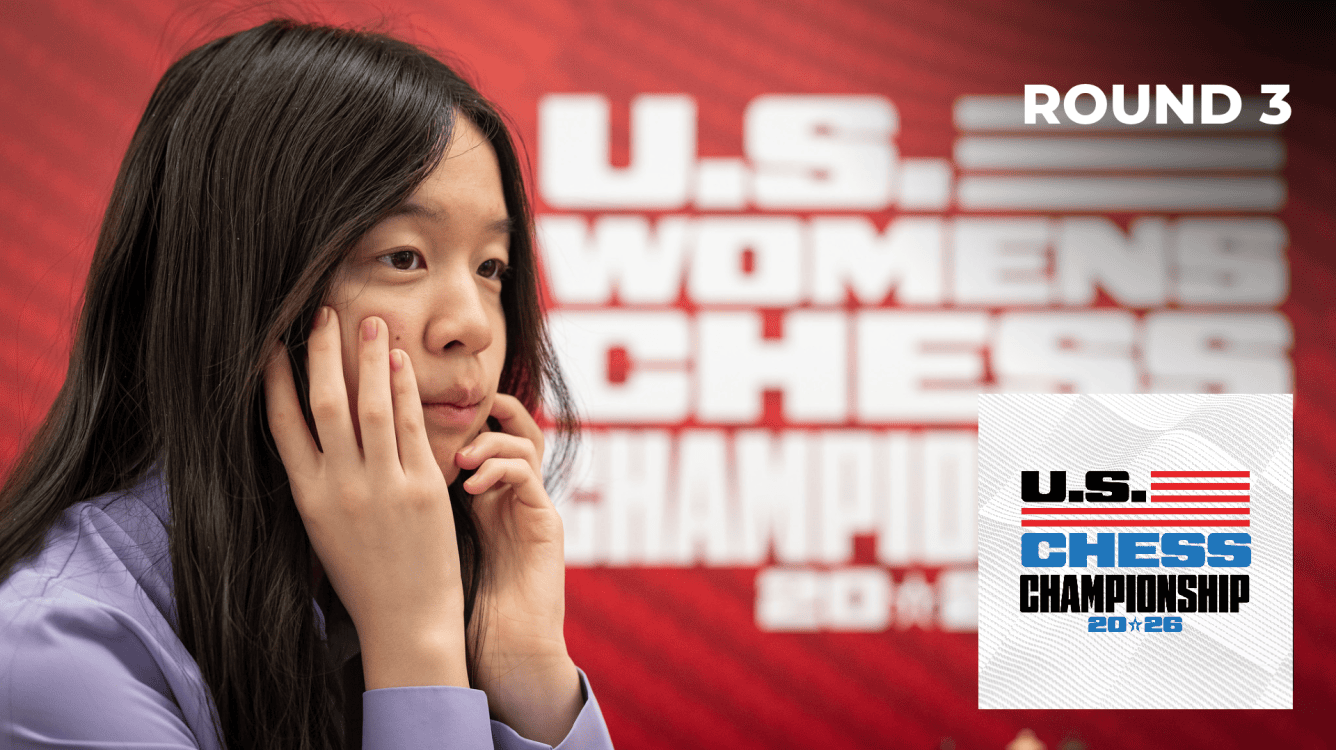
The women's section told the same story. Thalia Cervantes and Megan Paragua, both undefeated, drew their game. Alice Lee defeated her opponent to climb to 3-0, joining them as a co-leader. That creates a three-way tie at the top, with no woman remaining perfect.
The Fischer Prize has always been chess's most seductive carrot. Fifty years after Bobby Fischer revolutionized the game, the U.S. still honors perfect tournament performances with a sum that makes players think twice before taking a rest day draw. But $64,000 only motivates if it remains possible. Once two frontrunners neutralize each other, the arithmetic shifts. Every remaining opponent becomes a path to first place, not a path to perfection.
Round three also produced two Black wins on the open section's lower boards, a mild surprise in a tournament format that usually favors White's opening advantage. This hints at a theme worth monitoring as rounds accumulate: players are finding real imbalance in positions after move 15 or so, and they're willing to play them to the end.
The rhythm of the championship has now stabilized. No longer are we watching a coronation in progress. The perfect scores are gone. The leaderboard has broadened. Multiple players remain plausibly in the hunt, and that means the remaining nine rounds will reward preparation, nerve, and endgame technique in equal measure. Both sections have their front groups now, but none of them are unshakeable.
The Fischer Prize remains on the board for whoever plays the remaining rounds without defeat. But that player will need to navigate seven more dangerous opponents, each of them sharper and hungrier than they were on round one.