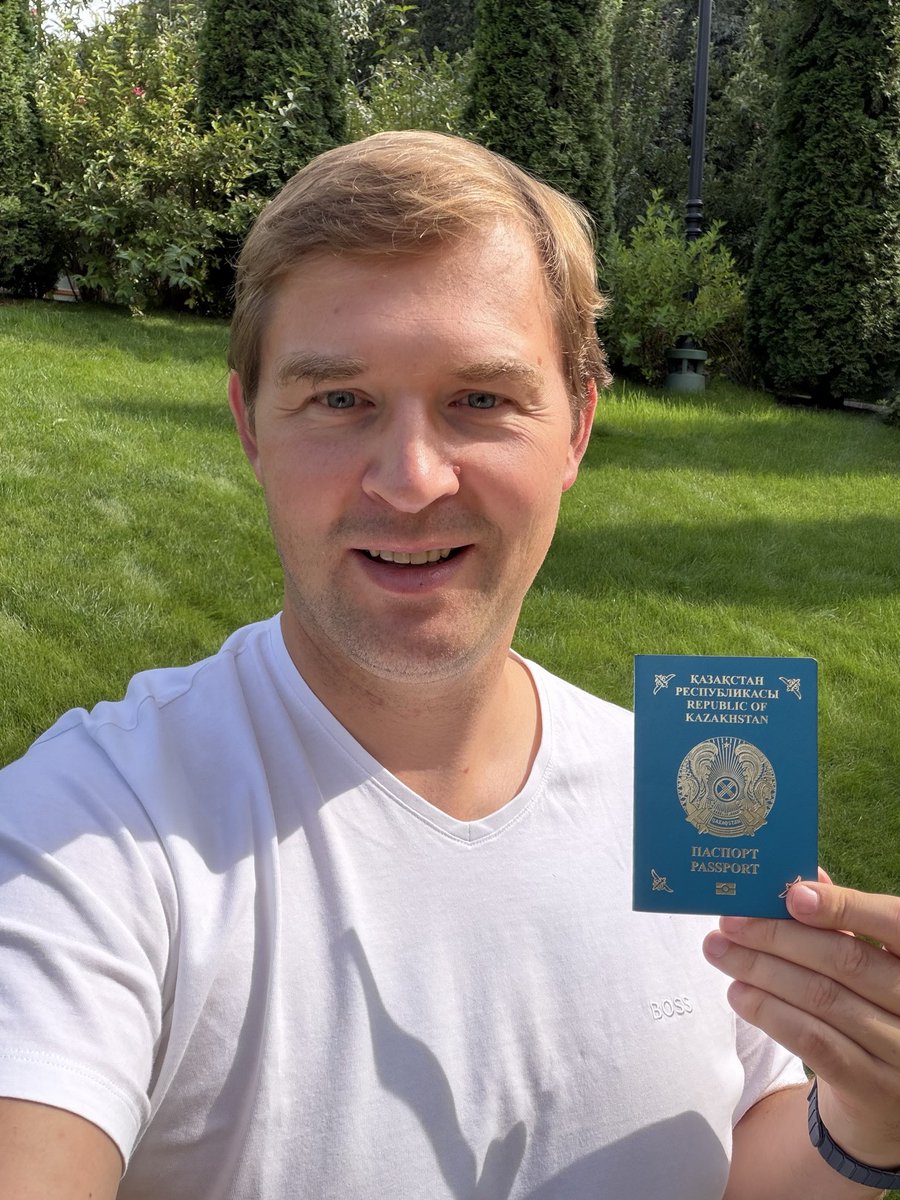
Peter Heine Nielsen is not letting Timur Turlov off the hook. The Danish grandmaster took to X on October 15 to publicly demand answers about FIDE's sanctioning of the Russian Rapid Championship, a FIDE-rated event that includes players from Crimea and other Ukrainian territories under Russian occupation.
This is Nielsen's latest volley in an ongoing dispute over FIDE's compliance with international law. When Turlov took the FIDE presidency earlier this year, he committed to following both international legal standards and the Court of Arbitration for Sport's rulings on participation from occupied regions. By Nielsen's reading, hosting a rated championship that includes players from these territories violates that pledge.
The stakes here go beyond chess politics. FIDE ratings carry weight in the professional ecosystem. They determine ranking lists, qualification pathways for world championship cycles, and eligibility for titled tournaments. When FIDE sanctions a championship with participants from occupied territory, it effectively legitimizes their participation in the international rated system. That's not a minor bureaucratic detail.
Nielsen tagged both Turlov directly and the IOC's media account in his challenge, a deliberate move to escalate the pressure publicly. The IOC matters because it has its own positions on occupied territory and sanctions related to Russian athletes. By bringing the Olympic body into the conversation, Nielsen forced the issue beyond internal FIDE channels where it might quietly disappear.
Turlov's silence is its own statement. When a FIDE president avoids responding to a direct public challenge from a respected grandmaster about a commitment he made when taking office, observers notice. FIDE has a long history of selective enforcement on politically sensitive matters, but this one comes with external pressure from multiple angles: Ukrainian chess organizations, Western federations, and now Olympic governance structures.
The Russian Rapid Championship itself matters less than what it represents. If FIDE allows this event to proceed untouched, it signals that Turlov's promises about international law compliance were hollow. If FIDE reverses course and de-rates the event or restricts participation, it sets a precedent that could ripple through other Russian-organized competitions.
Nielsen's approach is smart. By making the challenge public and repeatedly, he prevents FIDE from handling this through quiet committee work or bureaucratic delay. Every silence from Turlov becomes another data point that the president's stated principles don't match his actions.
The chess world is watching whether Turlov's commitments actually mean anything or whether they were just words spoken during his campaign for the FIDE presidency.