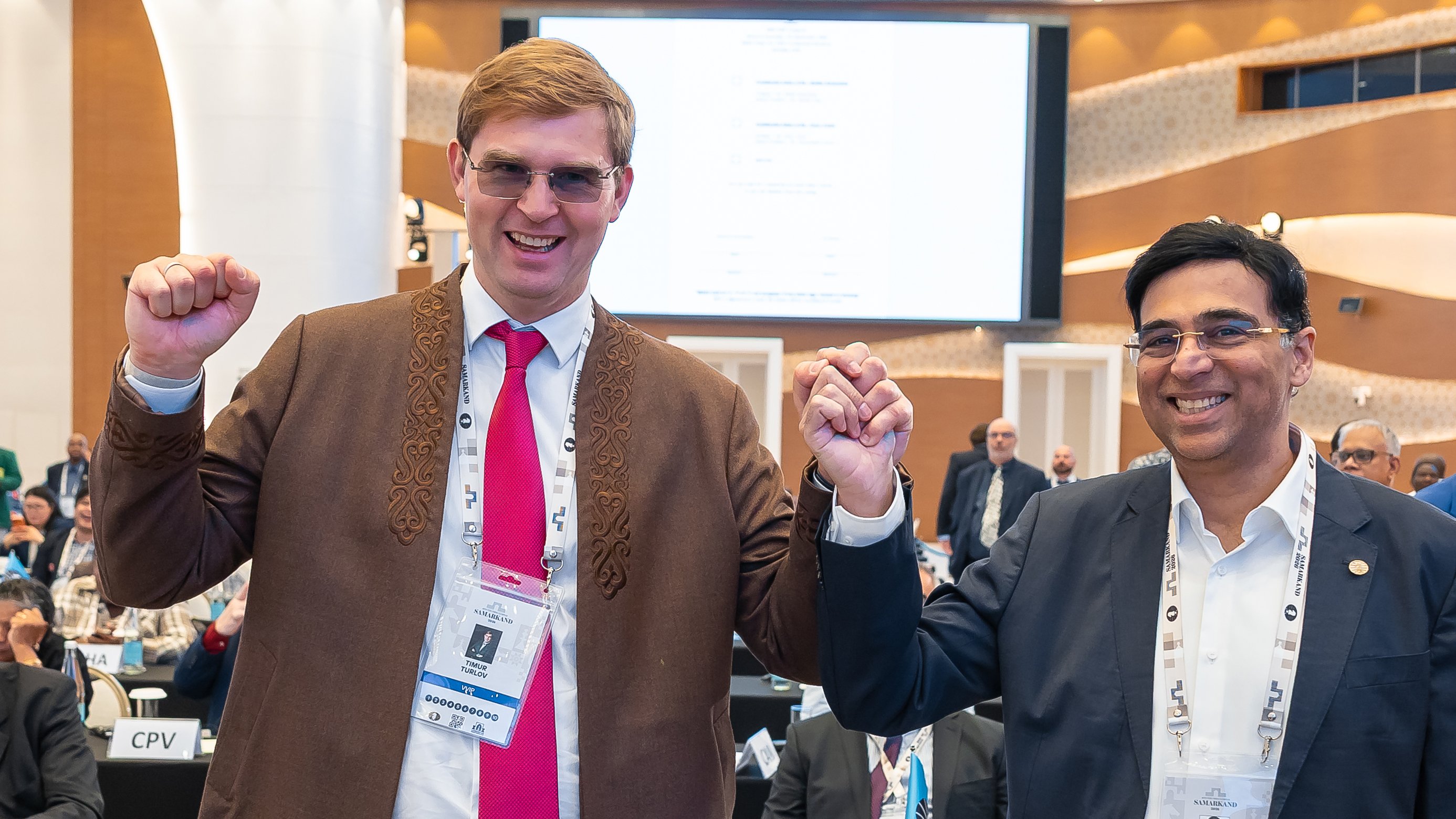
Turlov's legal troubles in Russia have evaporated. Days after becoming FIDE President in September, the new chess federation leader faced a lawsuit from Russia's Prosecutor General's Office seeking to seize his personal assets and those of Freedom Holding, his investment group. On October 14, the same prosecutors abruptly withdrew the case. Moscow's Tverskoy District Court accepted the motion without explanation.
The timing matters. Turlov, a Kyrgyzstan-born oligarch and fintech entrepreneur, took over FIDE's top job as the federation struggles with credibility issues and the absence of Magnus Carlsen from the world championship cycle. He has ambitious plans to revitalize the organization and inject capital into global chess promotion. A pending asset seizure in Russia would have complicated his position immediately, raising questions about his financial standing and creating a distraction he could not afford in his first weeks.
The original case surfaced publicly only two weeks before its withdrawal. The Prosecutor General's Office filed suit seeking to freeze Turlov's Russian holdings and those connected to Freedom Holding. Details about the underlying allegations remain scarce. Neither Russian prosecutors nor the court explained their reasoning for dropping the case, leaving observers to speculate about political calculation, diplomatic pressure, or a simple administrative resolution.
The withdrawal removes a potential drag on Turlov's ability to operate. FIDE operates globally but maintains formal ties to Russia, where it holds administrative heritage and where Russian grandmasters remain central to the game's ecosystem. A sitting FIDE President locked in asset disputes with the Kremlin would face constant friction in dealing with the Russian federation and its players. Turlov needs clean operational footing to execute his agenda.
What happens next is less clear. The case being dismissed does not mean similar legal action won't resurface. Russian authorities can reverse course. Turlov's Freedom Holding operates across multiple jurisdictions, giving Russia several pressure points if it chooses to use them. For now, he has breathing room.
The chess world pays close attention to FIDE's leadership because it controls the world championship, rating systems, and federation governance. Turlov's ability to function without legal entanglement in Russia affects his credibility and effectiveness. This withdrawal is a win for his early tenure, but it should not be mistaken for permanent resolution. In Russia's current environment, legal cases move on political timelines, not judicial logic.