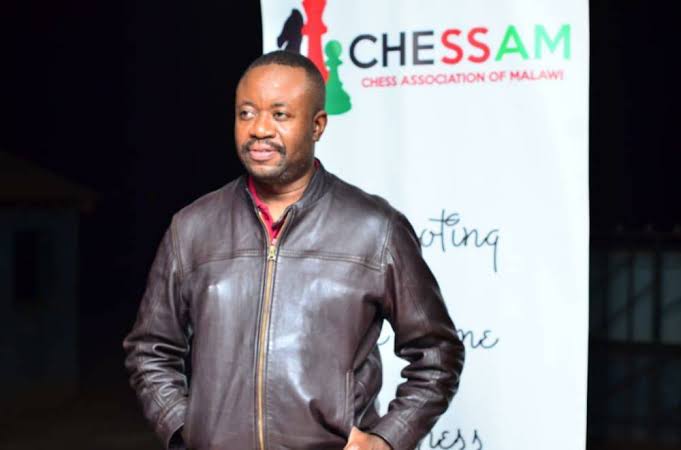
Mpilo Mizere keeps control of the Chess Association of Malawi. He won re-election to a second consecutive term as Chessam president, and now the federation faces its real test: moving past the divisions that any contested election leaves behind.
Kezzie Msukwa, who ran Chessam for 14 years before stepping down in 2018, is leading the charge toward unity. His message to the federation is blunt. The campaign happened. People argued. Some sides won and others lost. That part is finished. What matters now is whether Chessam can function as a single organization instead of a collection of factions nursing their grievances.
Msukwa's voice carries weight in Malawian chess. He spent more than a decade building the federation, and he knows exactly how quickly political divisions can calcify into permanent splits. His plea for healing is not naive sentiment. It is a warning based on experience.
Federation politics matter more than casual fans realize. A divided chess association struggles to organize tournaments, fund players, arrange coaching, and compete internationally. When the president's office becomes a trophy that half the membership resents, nobody's chess improves. The board stops making decisions. Money disappears into disputes. Young players get caught between competing power bases instead of receiving support.
Mizere's path forward depends on whether he can govern as president of all of Chessam, not just the coalition that voted for him. That means appointing capable people from the losing side to real positions. It means consulting before making decisions. It means treating the opposition as loyal members with different ideas, not enemies to exclude.
Malawi's chess scene remains small by global standards, but it has produced talented players who need a functional federation behind them. An internally fractured Chessam cannot adequately support those players in reaching African or world championships. Resources are already scarce. Wasting them on internal warfare guarantees that nobody wins except the countries that Malawi's players are supposed to compete against.
Msukwa's intervention suggests he sees real damage from this election. His willingness to speak publicly about healing indicates the divisions run deeper than routine campaign disagreements. Whether Mizere heeds this counsel will define his presidency. The votes counted easy. Building unity after the vote counts harder.