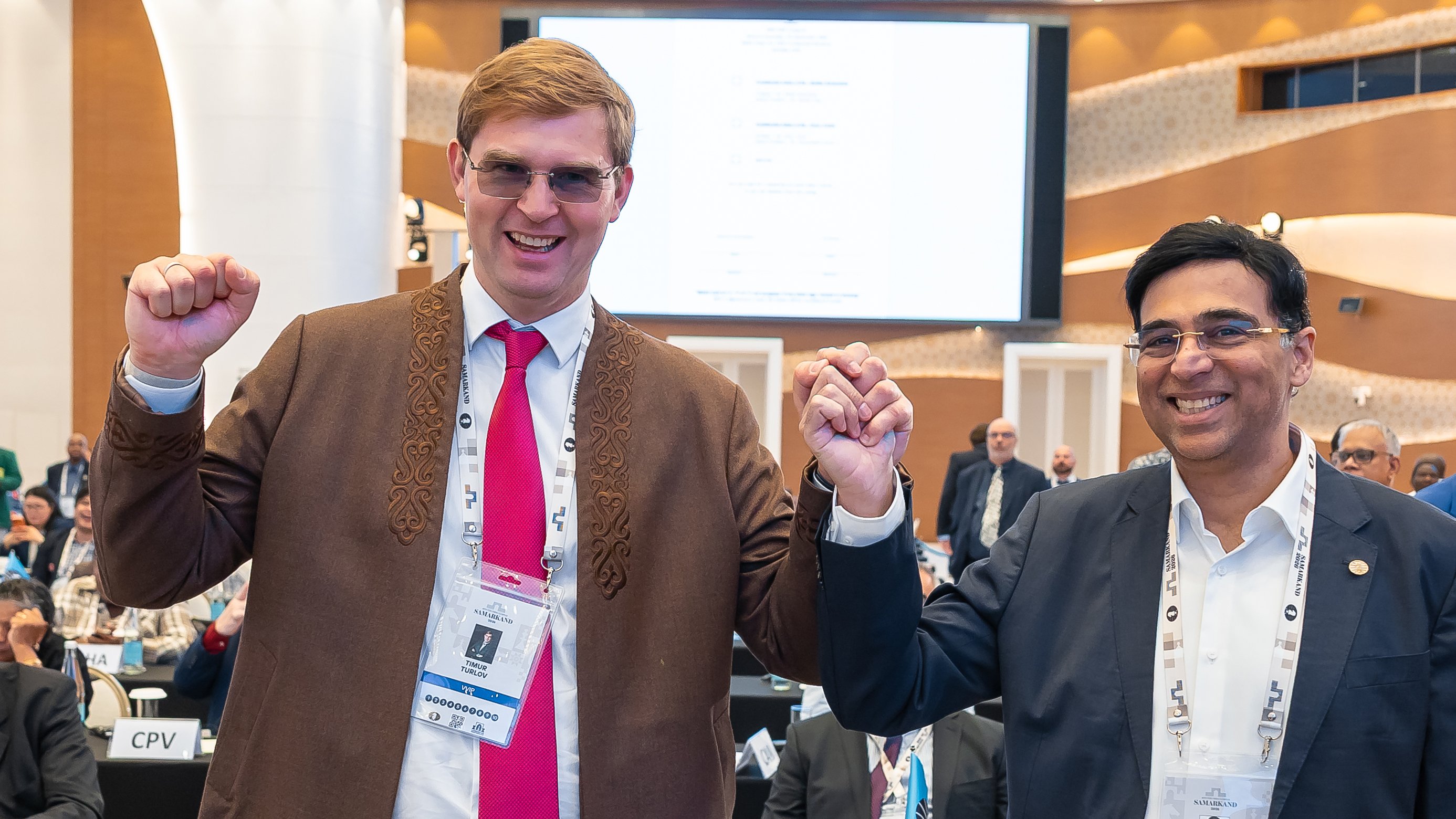
Timur Turlov won the FIDE presidency barely four weeks ago. Now he's moving fast. In a statement released October 26, the new president outlined a restructuring that separates governance from operations and signals a clean break from how the federation has functioned under previous leadership.
The reorganization hits three key areas. First, Turlov wants a clearer division of labor between FIDE's political structure and its management. The General Assembly remains the supreme decision-making body. The FIDE Council shifts into a strategic role, setting long-term priorities rather than getting bogged down in operational minutiae. This mirrors corporate governance models where a board focuses on direction and a professional staff executes.
Second, Turlov is bringing in a new Secretary General to run day-to-day operations. This person answers to the council but operates with real autonomy, a departure from the fragmented power structure that often paralyzed FIDE under previous regimes. The federation has suffered for years from unclear chains of command and turf wars between the presidential office and administrative staff.
Third, he's installing fresh faces in key positions. Turlov didn't inherit a team of trusted lieutenants like most presidents do. He won a contested election and needed to build support from scratch. Putting new people around him consolidates his power base while signaling that FIDE is moving in a different direction.
Why this matters now. FIDE's credibility has eroded. The 2023 World Championship was marred by the Kasparov-Ding fallout and a second match that many felt vindicated Kasparov's doubts about the format. The federation has struggled with financial transparency, tournament scheduling chaos, and a rating system that people question annually. When an organization loses trust, restructuring alone doesn't fix everything. But clear lines of authority and professional management are prerequisites for fixing anything.
Turlov's reorganization looks competent on paper. The question is whether he has the political capital to make it stick. FIDE's General Assembly is full of federation presidents with their own agendas. Getting them to stay out of operational decisions is harder than writing it in a statute. And separating the presidential office from day-to-day management means Turlov gives up some direct control, which most executives resist.
The next test comes with specific decisions. Does FIDE finally fix its women's world championship format? Can they lock in the men's championship schedule without drama? Will the rating system changes actually happen? Turlov's structural reforms mean nothing if the federation keeps making the same mistakes under a new org chart. The new FIDE lives or dies on execution, not intention.