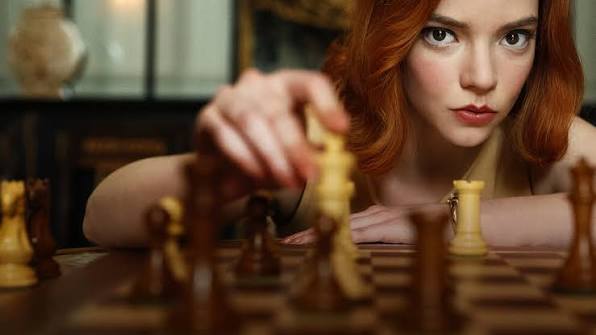
The Queen's Gambit is a lie, and that makes it brilliant.
For five centuries, this opening has sold itself under false advertising. White pushes the c-pawn forward on move two, dangling it like bait. Black takes. White recaptures. Everyone assumes someone sacrificed something for the sake of initiative. Except nobody did. The pawn comes home. Black either retreats and concedes the center, or keeps digging and pays the price.
This is the genius of a non-gambit named after gambits.
The opening emerges from a Latin manuscript at the University of Göttingen, preserved in 33 leaves from the early 16th century. Chess historians can pinpoint it in the first fifteen folios, nestled among twelve other openings that defined the Renaissance chess revolution. The Queen's Gambit arrived with the modern game itself, born not from romantic sacrifice but from systematic control.
What makes it endure is exactly what makes it unsexy. The opening doesn't promise fireworks. It promises space. It promises patient pressure. White gets the center with d4, controls d5 with the c-pawn, and Black faces a choice that has no good answer. Take the pawn and enter a technically difficult endgame where White's piece activity compensates for the material. Decline it and sit in a passive position. Neither option sparkles.
Yet the world's best players kept coming back. Capablanca and Alekhine built reputations partly on understanding its subtleties. The opening didn't need Netflix to make it famous, though the recent chess boom introduced millions to it through "The Queen's Gambit" series. The name alone carries mystique. Everyone knows it. Few fully understand why it works.
The reason is pedestrian and perfect. Chess rewards space, development, and long-term advantage over short-term material grabs. The Queen's Gambit embodies all three. White trades a pawn for superior positioning, and Black spends the next fifteen moves convincing themselves the trade was worth it. By then, White's pieces have infiltrated, and Black's position has grown difficult.
This is not the chess of sacrifices and counterattacks. This is the chess of patience winning over desperation.
Modern super-GMs still respect it. Magnus Carlsen, Ding Liren, and other elite players deploy it regularly because fundamentals never go out of style. A five-hundred-year-old opening that pretends to give up material while actually seizing control remains one of chess's most effective opening ideas. The fact that it's not technically a gambit only improves the joke.