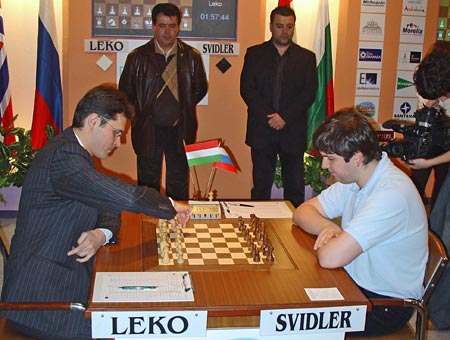
FIDE has tapped Peter Leko and Peter Svidler to commentate Gukesh's world championship defense against Javokhir Sindarov in Geneva, with Game 1 starting November 24. The choice matters more than it might seem.
Both commentators have walked into the pressure cooker themselves. Leko played Vladimir Kramnik for the classical world title in 2004 at Brissago. Svidler came close multiple times, challenging Kramnik in 2008. They know what championship match chess feels like. They know the weight of a single game when your legacy hangs in the balance.
This is Gukesh's first title defense since becoming the youngest world champion in history at 18 years old. Sindarov, the FIDE Grand Prix winner, has no classical world championship experience. That asymmetry matters for the narrative, and for the broadcast. Leko and Svidler will watch two players operating in vastly different mental spaces. Gukesh carries the target. Sindarov carries the hunger of someone with nothing to lose.
A 14-game match is a marathon. The opening games feel different from the middle games, which feel different from the endgame. The psychology shifts. Leko and Svidler have lived that curve. They won't oversell the drama in Game 1 like a rookie commentator might. They'll see patterns. They'll understand why a player makes a quiet move instead of a flashy one. They've sat where these two will sit.
The commentary team matters for a world championship because the match is not for casual fans. It's for the serious chess community, the people who want analysis that doesn't insult their intelligence. Leko played at 2,700+ for years. Svidler was consistently in the world's top 10. They won't dumb anything down.
Gukesh will face preparation pressure from a serious challenger. Sindarov's Grand Prix victory proved he can beat the elite consistently. The 14-game format is unforgiving. There's no knockout tiebreak drama. Every half-point matters. Gukesh's style, aggressive and creative, will clash with whatever defensive setup Sindarov brings. That's where Leko and Svidler earn their seat. They'll articulate the tension that moves create without needing to manufacture it.
The match structure keeps classical chess's highest prize alive in a world increasingly obsessed with rapid and blitz. FIDE has protected the format. Now they've protected the broadcast quality by picking commentators who understand that world championship chess operates on a different wavelength than regular super-tournament play. Gukesh versus Sindarov begins November 24. The chess world will listen closely to who explains it.