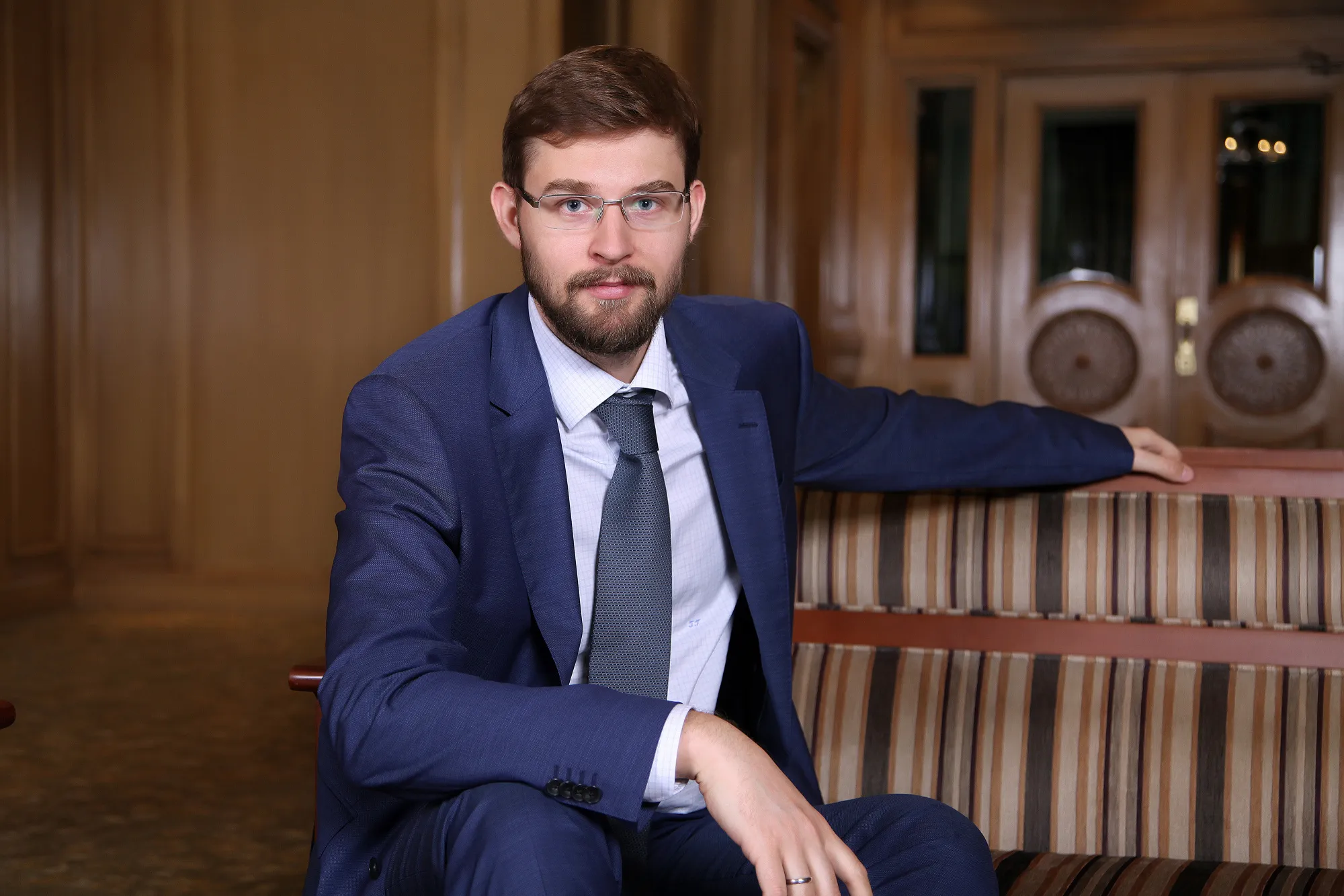
Austria just threw down a challenge to European chess's establishment. The Austrian Chess Federation formally requested a no-confidence vote against ECU President Zurab Azmaiparashvili and Secretary General Theodoros Tsorbatzoglou. This came just four months after Azmaiparashvili's re-election, which makes the timing deliberately provocative.
Michael Stöt, president of the Austrian federation, signed the request on Saturday and went public on Sunday. The move targets the entire leadership structure at a moment when many European federations are frustrated with governance and direction at the continental level.
Here's what makes this story resonate beyond internal politics. Austria didn't just lodge a complaint. They came prepared with a €4 million sponsorship offer from Freedom, a figure substantial enough to reshape European chess programming and visibility. That's the kind of money that buys attention. It also buys credibility. When you're willing to invest heavily in the sport's future, your criticism of current leadership stings differently.
The ECU has not yet responded publicly to the Austrian request. That silence matters. Under ECU bylaws, the federation must acknowledge formal requests for an Extraordinary General Assembly. How quickly they act, and whether they even grant the vote, tells us plenty about how insulated the current leadership feels from member discontent.
Azmaiparashvili took over in 2022 and won re-election earlier this year. His tenure has been marked by efforts to modernize ECU operations, but modernization always creates winners and losers. Some federations feel sidelined. Others question spending priorities. Austria's move suggests the frustration has reached critical mass in at least one major federation.
What happens next depends on the ECU statutes and how many federations Stöt can rally to his cause. A no-confidence vote requires a quorum and typically needs substantial support to pass. Austria alone can't remove anyone. But Austria with allies from Germany, France, Spain, or Italy would constitute real power.
The sponsorship offer complicates the political calculus. If freedom money materializes, it could fund European women's events, youth tournaments, or a continental rapid championship. Members voting no-confidence can simultaneously be voting for programs they want to see funded. That's leverage.
For players, this matters because leadership instability at the continental level creates uncertainty about tournament calendars, qualification paths, and prize fund distribution. Giri, Caruana, Radjabov, and other European players operate within ECU-governed structures. A leadership crisis, even a brief one, echoes down through national federations and into player preparation schedules.
The Austrian federation forced this confrontation into the open rather than working behind closed doors. That's a strategy choice. It's also a signal that patience with the status quo has simply run out.