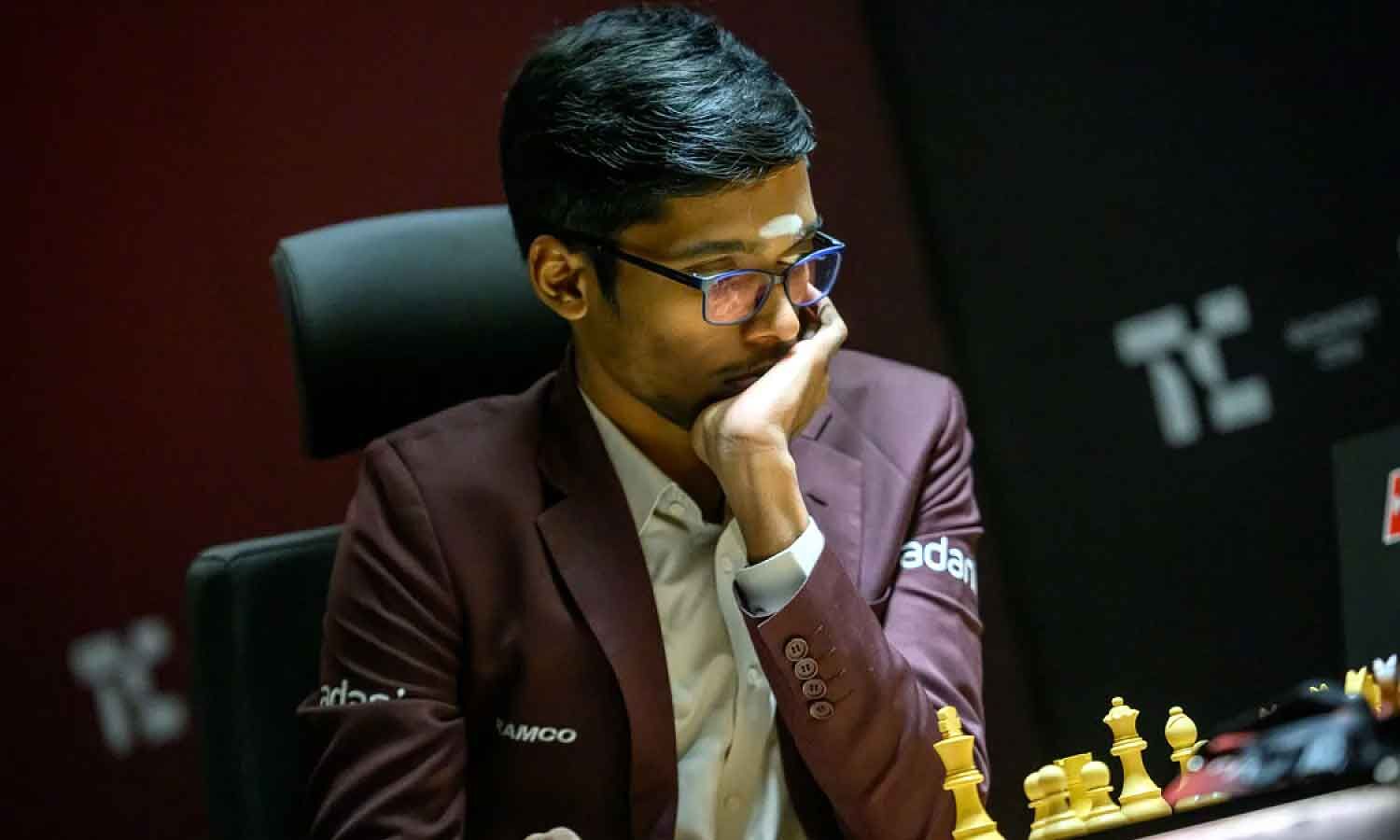
Praggnanandhaa wants the World Championship cycle to stop feeling like a game of format roulette.
The Indian super-GM posted a nine-slide Instagram carousel Monday calling for a single classical time control across all World Championship qualifying events. Right now, players navigate four different time controls depending on which tournament they enter on the road to challenging for the crown. Pragg's argument cuts to something both players and fans feel but rarely articulate clearly: the cycle's inconsistency forces competitors to constantly recalibrate their preparation.
His proposal gained weight because it comes fresh off the Total Chess pilot in Budapest. That event used a standardized format, and Pragg noticed how it simplified things. When you're chasing the world title, you shouldn't need a manual to understand the rules of engagement. You should be thinking about chess, not calendar logistics.
Here's what makes this observation sharp. The World Championship cycle currently pulls players through Candidates Tournaments, qualification events, and rating-based selections, each with its own pace and rhythm. A Candidates event might use one classical control. A regional qualifier uses another. A rapid playoff somewhere else uses a third. By the time a player reaches the actual World Championship match, they've performed in multiple time-control environments. That's not a feature. That's noise.
Praggnanandhaa isn't alone in this frustration, but he's one of the few elite players with the credibility and platform to say it publicly without looking like he's making excuses. He's already in the mix for challengers. He's not complaining from the outside. He's diagnosing a system problem while he's still operating inside it.
The Total Chess pilot he references is significant because FIDE has been experimenting with new formats to make qualifying events more engaging and viewer-friendly. If that pilot showed that standardization works better, it's worth taking seriously. Total Chess organizers listened to what tournament conditions made sense for everyone involved. Pragg's backing of their approach carries weight because he felt the difference.
What changes next depends on FIDE's willingness to listen. The federation has shown openness to format evolution, but standardizing across the entire cycle would require coordination across multiple organizers and confederations. That's a bigger chess puzzle than any endgame.
Still, Praggnanandhaa has planted the seed in the conversation where it matters most: among the players who live the problem. When the elite consistently ask for the same change, federations eventually move. The next World Championship cycle could actually look different if people keep pushing this.