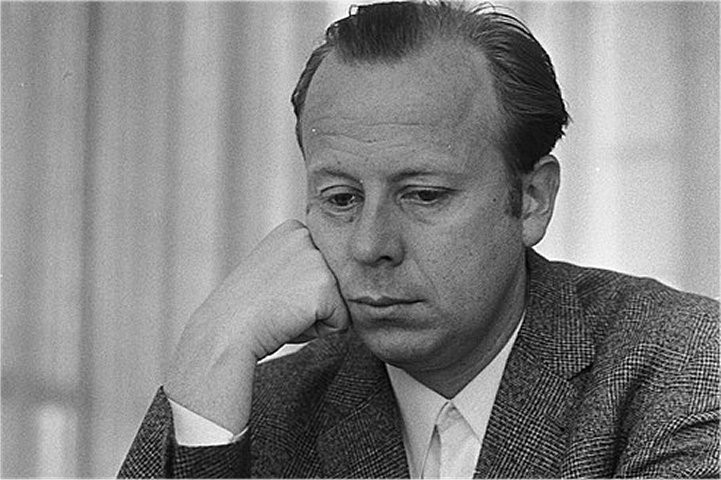
Wolfgang Uhlmann achieved what few players manage: he beat Mikhail Botvinnik. At the 1962 Chess Olympiad in Varna, the East German grandmaster outplayed the reigning world champion in a game that refused to be a mere footnote despite lacking the brilliance of similar upsets.
This win placed Uhlmann in rare company. Just a year earlier, Wolfgang Unzicker of West Germany had dismantled Botvinnik at the 1961 European Team Championship with even greater conviction. The Soviet champion, for decades the standard-bearer of chess excellence, found himself vulnerable to the rising generation.
Uhlmann's victory carried special weight in Cold War chess. As the top player of East Germany, he represented the GDR's chess strength during an era when the two Germanies competed fiercely across the board. Botvinnik's defeat to a player from the Eastern bloc, even if not as crushing as Unzicker's win, demonstrated that the Soviet monopoly on world-class chess was beginning to fracture.
The 1962 Olympiad proved a breakthrough moment for Uhlmann. This win against the world champion elevated his standing internationally and confirmed what East German chess followers already knew: they possessed a grandmaster worthy of competing at the highest levels. Uhlmann would remain the GDR's leading player for years to come.