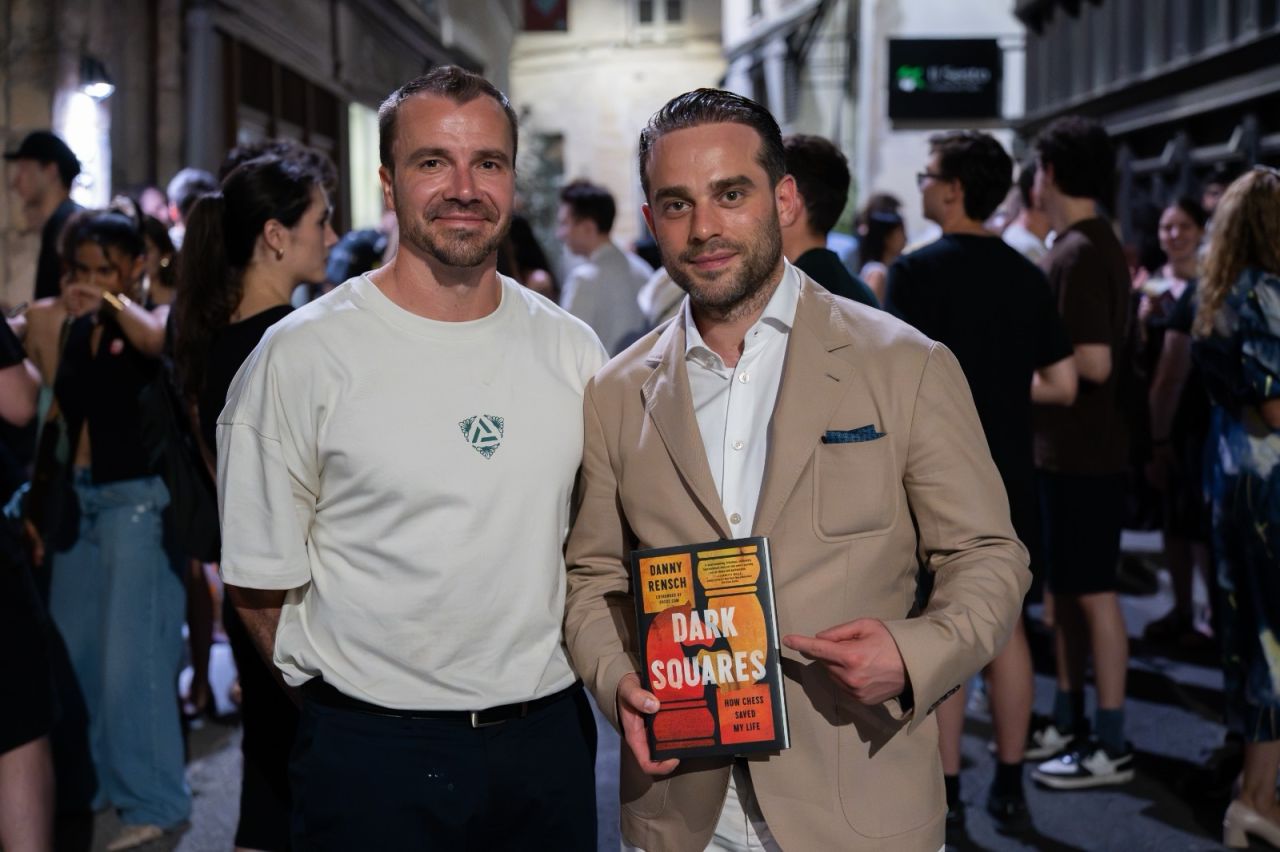
Wadim Rosenstein is running his FIDE presidential campaign the way younger candidates run political campaigns. He showed up in Paris, hung out at chess bars, streamed with content creators, and posted photos on social media. This is not the federation politics playbook of 2000.
The candidate visited Blitz Society, a popular Paris chess haunt, during the Esports World Cup. He wasn't there to give a speech or work a room of delegates. He played casual games, talked to regulars, and let himself be photographed alongside Danny Rensch, Chess.com's CEO. He also streamed with Nemo, one of the chess world's bigger online personalities. These moves signal a clear strategic choice. Rosenstein wants to build support among the online chess community and grassroots players, not just federation officials.
This matters because FIDE elections have traditionally been won in back rooms by federation presidents and national board members. The candidate who cultivates relationships with the chess.com crowd, Twitch streamers, and casual club players is working a different calculus. Online chess now dwarfs over-the-board participation. If Rosenstein can energize that base and convince them he represents their interests, he gains leverage he didn't have before.
The timing is smart too. Esports World Cup gave him a legitimate reason to be in Paris. Pairing that with a visit to Blitz Society lets him look like he's part of the living, breathing chess community rather than just another federation bureaucrat. The photos with Rensch carry weight in certain circles. Chess.com has tremendous reach. Association matters in a campaign, especially one targeting younger, digitally native players.
What happens next depends on whether Rosenstein can convert these grassroots moments into actual support when federations cast their votes. FIDE elections are decided by delegates, not by Twitter followers or Discord members. But if he's successfully building a narrative that he listens to regular players and streamers instead of just federation elites, that could sway some voters. It also sets expectations. If he wins, the online community will expect results. Better prize funds for online events. Better streaming policies. Real engagement with Chess.com and other platforms.
The federation structure hasn't changed. Delegates still vote. But the campaign infrastructure has. Candidates now need to show they understand that chess in 2025 is played on phones and computers in bedrooms and cafes, not just in tournament halls. Rosenstein appears to understand this. Whether it's enough to win is a different question.