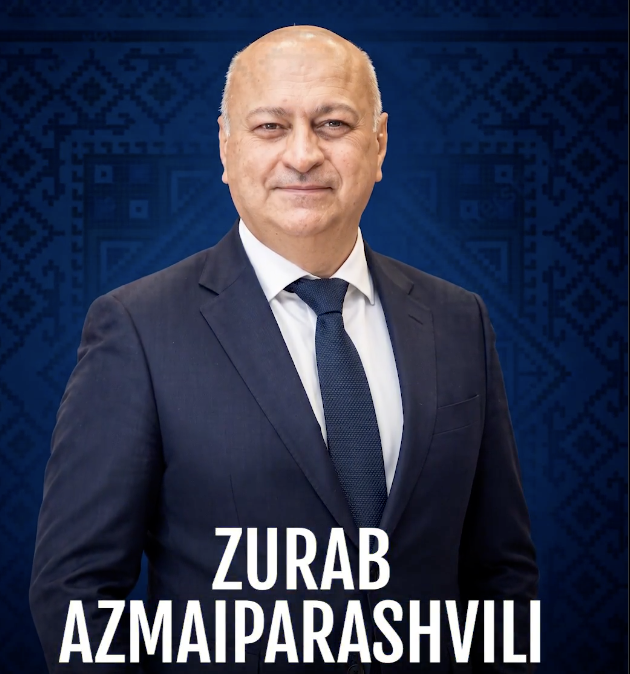
Zurab Azmaiparashvili, the European Chess Union President, has thrown his support behind Wadim Rosenstein's bid for the FIDE presidency. The endorsement lands hard because Azmaiparashvili is no ceremonial figurehead. He's a grandmaster, former European Champion, and spent years as FIDE Vice President before taking the helm of continental chess in Europe.
This matters for Rosenstein's campaign. FIDE elections turn on institutional credibility and consensus among continental leaders. A sitting ECU president doesn't lightly back a challenger. Rosenstein framed the endorsement as proof that serious chess administrators believe in his platform for FIDE's future.
Azmaiparashvili's pedigree opens doors Rosenstein needs open. He commands respect across Europe's federations, controls significant voting blocs at FIDE congresses, and carries the weight of experience at multiple levels of chess governance. When someone with his resume says he trusts Rosenstein's vision, other federation officials take notice. It's not a celebrity cameo. It's an insider saying the next guy knows what he's doing.
The timing suggests Rosenstein's team is building momentum before the formal campaign cycle tightens. FIDE presidential races happen every four years and attract candidates with competing visions for where the game's global body should go. Money flows differently under different administrations. Tournament structures change. Rating systems get overhauled. Online play policies shift. The presidency shapes the sport.
Azmaiparashvili's support signals confidence in Rosenstein's platform, whatever specific proposals he's running on. It also matters that he didn't stay neutral or hedge his bet. Direct endorsements from major continental leaders narrow the field and push momentum toward frontrunners. Undecided federations notice when established power players make clear choices.
The endorsement tells you something else: European chess leadership sees the ECU as aligned with Rosenstein's direction. That's a bloc. It's not guaranteed to deliver every vote, but it plants a flag. Other candidates will now feel pressure to build their own coalitions or risk ceding European support entirely.
Azmaiparashvili brings credibility from having operated inside FIDE's machinery. He understands the politics, the federation dynamics, the competing interests between continents and wealthy nations versus smaller chess bodies. That's not an endorsement you give lightly if you've actually worked the system and know how difficult FIDE governance is.
For Rosenstein, this is the kind of structural backing that determines FIDE elections. Grassroots enthusiasm matters less than federation leadership alignment when votes get counted. Azmaiparashvili just told every federation president in Europe that serious institutional chess leaders stand behind Rosenstein's vision for what FIDE should become.