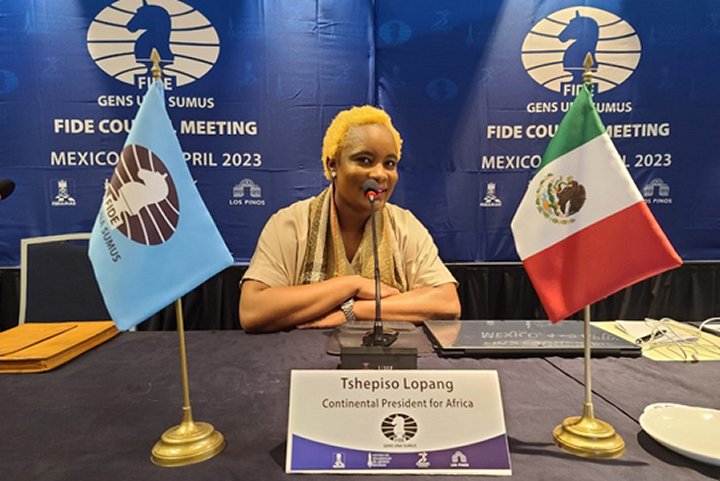
FIDE's Ethics and Disciplinary Commission has cleared both sides of misconduct in the African Chess Confederation election dispute, then turned around and sanctioned Tshepiso Lopang anyway. The three-member panel, chaired by Ali Nihat Yazici with Khaled Arfa and David Hater, dismissed the core allegations from both camps but found Lopang violated separate regulations after the vote occurred.
The case itself ran both directions. Lopang, the candidate who contested the ACC election in late July, filed a primary complaint against Benard Wanjala alleging violations. Wanjala countered with his own misconduct charges. Neither side's central allegations stuck.
This is where it gets messy. FIDE cleared both parties of the behavior they accused each other of doing. No wrongdoing during the election itself. No rule-breaking by either candidate in the conduct of voting or campaigning. The panel found the process flawed enough to care about, but not flawed enough to penalize either side for deliberate misconduct.
Then the panel identified something else entirely. Lopang violated regulations in his actions after the vote. The exact nature of this separate failure matters because it shows FIDE separated the electoral process from what came next. It's the difference between "you cheated" and "you didn't follow procedure."
This outcome leaves everyone partially unhappy. Lopang contested the election, lost his primary claim, but also faces a sanction. Wanjala emerges cleared of misconduct charges but under the cloud that FIDE found issues with the election conduct itself, even if neither side bears responsibility. The ACC now has a legitimately elected leader, but one whose opponent has a documented violation on record.
The distinction is important for African chess politics going forward. FIDE essentially said the election happened but in a problematic environment. No individual bears fault for that environment. Lopang bears fault for something he did afterward, which is entirely different from saying the vote was stolen or improperly conducted.
What changes next is less about the ACC leadership and more about how future elections get run. When FIDE audits election procedures at continental confederations, this ruling becomes precedent. The panel's decision to clear both sides while still issuing sanctions tells other federations that FIDE looks at process separately from personal culpability. You can run a sloppy election without anyone being guilty of misconduct. You can also violate rules after an election concludes without those violations invalidating the result.
Lopang now has a recorded sanction in FIDE's system. That matters for his standing if he runs for office again, either in the ACC or elsewhere. Wanjala keeps his position and his record clean. But the entire ACC election system faces review if FIDE decides the July process requires procedural overhaul before the next confederation vote.