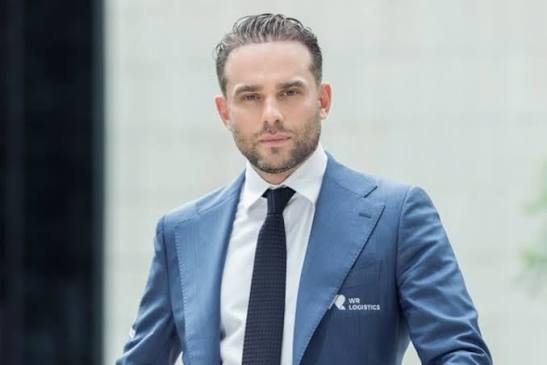
Wadim Rosenstein sat down with Spanish chess journalist Leontxo García in Samarkand just 48 hours before FIDE's presidential election, and the timing reveals everything about where this race stands. Two days out from the vote, Rosenstein was still fighting for ground against frontrunner Vladimir Turlov, running comfortably ahead of a third candidate in the predictions, though García did not specify which polling data he was citing.
The 36-year-old businessman emerged from a complex background. His mother is Russian, his father Ukrainian. He grew up partly in Germany before building a fortune in import, export, and mining operations. That entrepreneurial arc matters here. Chess politics at the FIDE level demands capital, connections, and the ability to navigate geopolitical terrain. Rosenstein has demonstrated all three.
What makes this interview notable is not just Rosenstein's position in the race, but the person conducting it. García, a longtime chess journalist whose opinions carry weight in European chess circles, disclosed that he also works as a FIDE advisor. That fact creates a potential conflict of interest that deserves scrutiny. An advisor to FIDE interviewing a presidential candidate two days before the vote, then publishing in Spain's most prestigious newspaper, crosses into murky territory. It raises questions about editorial distance and whose interests the piece ultimately serves.
The interview itself frames Rosenstein as a viable alternative to Turlov. That matters because the FIDE presidency has real consequences for the global chess calendar, for ranking systems, for how the federation allocates resources, and for which voices get heard at the highest levels of the game. The presidency shapes whether young talent in smaller federations gets development funding, whether women's chess receives institutional support, whether the classical world championship remains a centerpiece of FIDE's calendar.
Rosenstein's business background could cut both ways. Success in import and mining suggests operational competence and deal-making ability. But it also raises the eternal question about sports leadership: does a strong business record translate to understanding what a chess federation actually needs? The sport has burned through presidents who thought management expertise alone would suffice.
The election itself happened on September 26, two days after this interview ran. That timing, paired with García's undisclosed advisory role until the article's final lines, means readers got a profile of a leading candidate filtered through someone with institutional stakes in FIDE's future. Chess journalism should be clearer about those entanglements upfront.