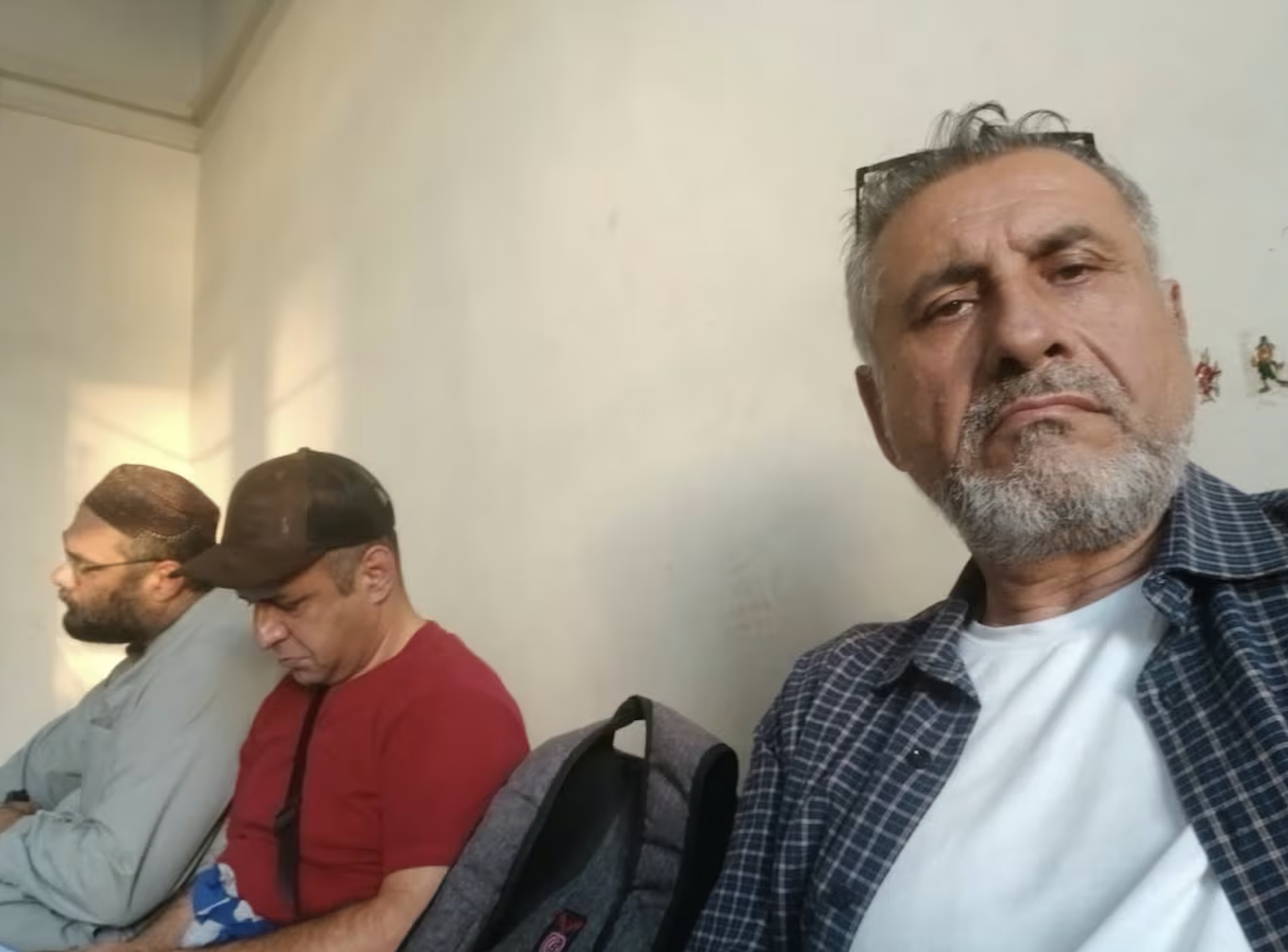
Three Afghan chess players languish under house arrest in Kabul after returning from the 2026 Chess Olympiad in Samarkand, their passports seized and their futures uncertain. Khaibar Farazi, Habibullah Amini, and Habibullah Guldoost defied Taliban restrictions on chess to compete internationally. A fourth player, Mirzaad Sayed Wahabuddin, returned without detention.
The Taliban's ban on chess reflects the regime's broader crackdown on recreational activities deemed incompatible with strict interpretations of Islamic law. Chess carries particular symbolic weight in Afghanistan. The game has deep cultural roots there, and players competing abroad represent a form of cultural resistance and international engagement the Taliban actively discourages.
What makes this episode different from other Taliban repression stories is its collision with the global chess community. The Chess Olympiad is the sport's signature event. Players train for years to represent their nations. Afghan participation, even in secret, signals that chess persists as a priority for some citizens despite state prohibition.
The detentions raise questions about how international chess bodies respond. The International Chess Federation (FIDE) has occasionally taken stands on geopolitical crises, but chess governance remains decentralized and constrained by diplomatic realities. FIDE cannot easily intervene in Taliban-controlled Afghanistan without risking broader consequences for the sport there.
For Farazi, Amini, and Guldoost, the immediate problem is clear. Passports confiscated and under house arrest, they cannot leave. The unclear part matters more. What happens next depends entirely on Taliban officials' priorities and patience. House arrest can transition to formal charges, prison, or eventually release if international pressure mounts or officials lose interest.
The fourth player's safe return without detention introduces another variable. Perhaps authorities didn't identify him. Perhaps he entered differently or kept a lower profile. Perhaps the Taliban's enforcement remains inconsistent. None of these possibilities comfort the detained three.
This story exposes a reality Afghan chess players face that Western competitors never do. Most of us play chess as recreation or profession in stable legal environments. Afghan players who refuse to stop must accept real personal risk. Some accept it anyway.
The 2026 Olympiad in Samarkand, just across the border from Afghanistan, likely attracted Afghan players precisely because it offered proximity and possibility. That calculation backfired catastrophically for three of them. Wahabuddin's safe return proves the trip was possible. Their detention proves it was not safe.
FIDE and the global chess community watch from outside, mostly powerless. Afghanistan has produced chess talent throughout its history. Right now, that talent faces state-enforced exile or silence.