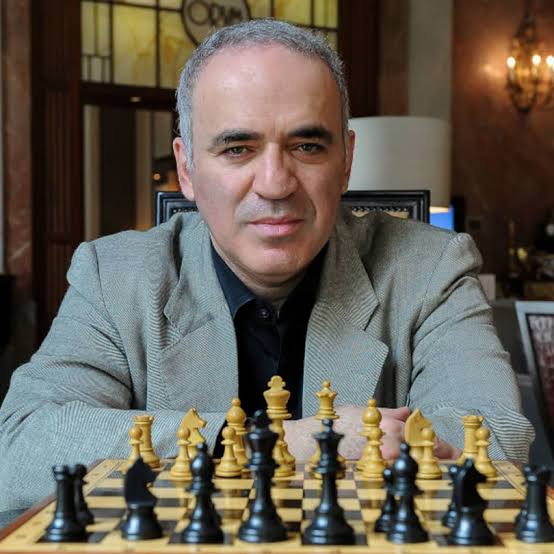
Kasparov Warned of Kremlin Assassination Plot by U.S. Authorities.
U.S. authorities informed Garry Kasparov this summer that a Kremlin-linked network had been planning to kill him on American soil. The former world chess champion received the warning directly and was subsequently granted special protection. This marks the first formal security measures since Kasparov left Russia in 2013 and settled in New York.
The threat reflects the escalating danger Kasparov faces as Putin's most visible opposition figure in exile. Unlike most retired grandmasters who drift into commentary or corporate work, Kasparov chose a different path. He became a political activist. He writes. He speaks. He criticizes the Kremlin constantly. That stance has carried real consequences for decades, long before the Ukraine invasion shifted geopolitical tensions further.
Kasparov has endured threats since his public split with Putin began in earnest after the 2008 presidential election. He attempted a comeback to chess during that period, but his real battle shifted from the 64 squares to the political arena. The U.S. protection detail now underscores that this is no longer abstract political theater. American law enforcement took the threat seriously enough to act.
The timing matters. This warning arrived during an era when Russian operatives have grown bolder. From poisonings in Britain to assassination attempts across Europe, Moscow's willingness to strike abroad has become a geopolitical pattern rather than an exception. Kasparov is not a minor figure who could be easily dismissed. He holds a Nobel Peace Prize nomination. He has access to major Western media platforms. Eliminating him would send a message to other exiled dissidents.
What changes now is visibility. Kasparov will move differently. Locations will be tracked more carefully. Public appearances will involve coordination with security. For someone who has spent the last decade making himself heard through relentless activism, that restriction creates its own kind of pressure. A chess player used to controlling the board cannot control whether bodyguards let him walk into a room.
Kasparov's retirement from chess in 2000 meant he no longer had to worry about rating points or tournament standings. But it opened a door to something else entirely. He traded the world championship for a platform and a moral position. The assassination plot warning confirms what Kasparov already knew: that position has a price.
The ex-champion will continue speaking against Putin. The protection detail will continue its work. And the chess world will remember that Kasparov's real match never ended. It just moved off the board.