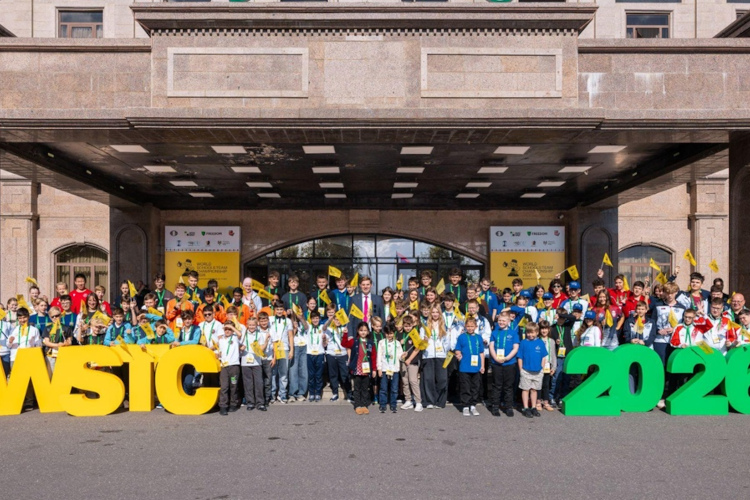
# Armenia Hosts New Decentralized World Schools Championship
The 2026 FIDE World Schools Team Championship just shifted its entire structure. Instead of cramming the world's best junior teams into a single tournament, FIDE split the competition into four continental stages. The European leg is running right now in Tsaghkadzor, Armenia, from September 28 through October 3, with 27 teams from 25 countries battling over eight rounds. Only the winners advance to a Grand Final in December.
This restructuring matters because it fundamentally changes how young talent gets discovered and developed. The old format forced every school federation to send a team to one location. Now, teams face less travel burden and expense. Regional play also means younger players get tougher competition closer to home before facing the absolute elite.
The continental model also creates four separate championship narratives instead of one. European dominance in junior chess gets tested against its own peers first. Same for Africa, the Americas, and Asia. It's a decentralized approach that mirrors how World Cup football works. Four regional tournaments, four winners, one final showdown.
Tsaghkadzor became the host for the European stage, which tells you something about Armenia's chess infrastructure. The country has been investing heavily in junior development and tournament hosting since the 2020s. Hosting a FIDE continental championship brings prestige and keeps young Armenian players sharp against international opposition.
The eight-round format gives teams enough games to show consistency. A team can't luck out with four quick wins and coast. They need to perform across multiple opponents and different board combinations. For coaches, it's a real test of preparation and adaptability.
What happens next depends on who wins here. The four continental champions advance to the Grand Final in December. That means the champion from Armenia's tournament will face three other regional winners. The Grand Final becomes the real championship match, making it far more exclusive than the old format allowed.
The new structure also benefits federations with multiple strong school teams. Instead of picking one squad to send globally, they can now develop parallel teams and see which one emerges regionally. This encourages depth in junior programs rather than talent concentration.
For players watching their federation's progress, the continental stage creates a clear promotion pathway. Winning your region means global recognition on the FIDE circuit. Missing your region's Grand Final means you're out, no second chances. That clarity drives motivation in ways a larger, less organized tournament couldn't.
Tsaghkadzor's eight rounds finish on October 3. By then, we'll know which team represents Europe in December's final championship.