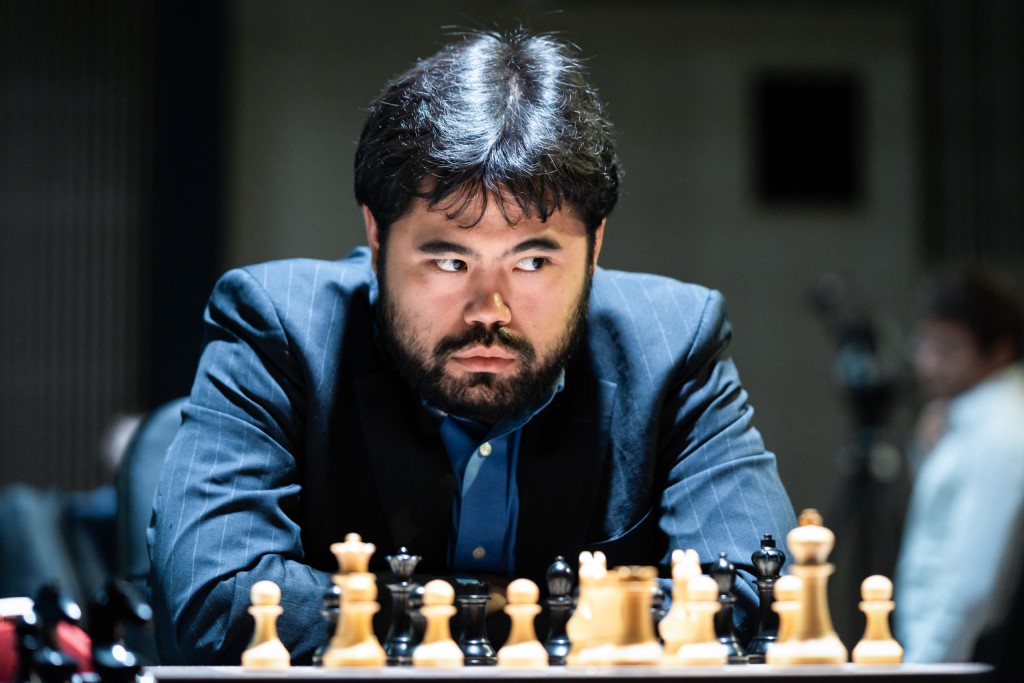
Nakamura just said something that cuts to the heart of how we evaluate chess talent. Titles and ratings no longer tell you who the real threats are.
His proof point is Artin Ashraf, a 17-year-old Iranian FM playing at a level Nakamura pegs as "basically GM strength." That's not a small claim. Nakamura estimates Ashraf's classical rating between 2550 and 2600. For context, that's where you start getting serious invitations to super-tournaments. That's where you belong against world-class opposition.
The problem Nakamura identifies is real. A FIDE FM title means almost nothing in 2024. You can grind online all day, rack up a 3200+ blitz rating on Chess.com, and still struggle in a classical tournament where your opponent doesn't hang pieces and you can't rely on time pressure to rescue loose positions. The inverse is also true. A player can be underrated on the official scale because they haven't played enough classical games, or because their rating hasn't had time to catch up to their actual strength.
Online ratings have created this distortion. A 3200-rated blitz player was once considered a near-mythical creature. Now? That's almost a prerequisite for being taken seriously at the elite level. Giri streams blitz in the 3400s. Carlsen has played it even higher. These numbers tell you about online speed and pattern recognition. They tell you almost nothing about how someone plays when they have 50 minutes per move.
Ashraf's case illustrates why scouts now ignore titles and focus on tournament performance instead. A 17-year-old FM might sound weak until you watch them dismantle 2450-rated GMs in real tournaments. Then the narrative flips instantly. You're looking at someone whose rating hasn't caught up yet, not someone who hasn't yet earned strength.
This matters for how we identify the next wave of challengers. If you rely on FIDE ratings alone, you'll miss the Ashrafs. You'll miss teenagers grinding classical tournaments in smaller circuits, accumulating points while their FIDE rating lags months behind their actual skill. You'll miss the players playing brilliant 90-minute games while everyone else watches online ratings.
The rating system is still useful for matching players fairly. But it's become a lagging indicator. The real story happens in the tournaments first. The rating catches up later, often too late for arbiters trying to figure out who deserves an invitation.
Nakamura's observation suggests the chess world is starting to notice this gap. How federation systems adapt to it will determine who gets found early and who slips through because their number wasn't high enough.