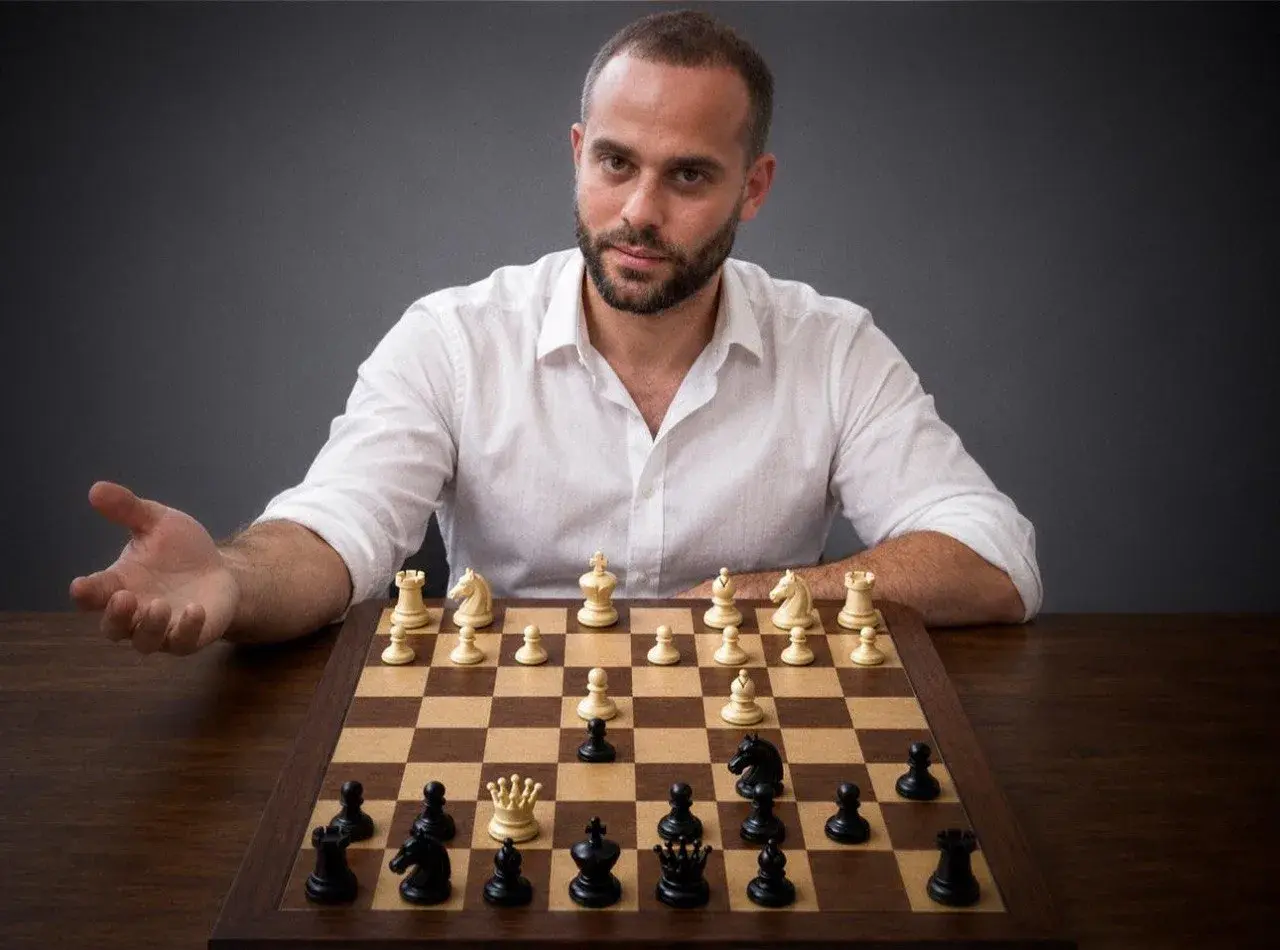
Wadim Rosenstein has set up another confrontation with FIDE's leadership, this time threatening a no-confidence vote if the organization hands the 2030 Chess Olympiad to Kazakhstan without opening the bidding to other candidates.
The German delegate posted an open letter to new FIDE president Timur Turlov on the eve of a Council meeting scheduled for November 24. Rosenstein demanded transparency in the host selection process, arguing that Kazakhstan appears poised to secure the event without formal competition from other federations. He warned that bypassing open bidding would trigger a no-confidence motion against the leadership.
This matters because it exposes a persistent problem at FIDE. The world's chess governing body has repeatedly struggled with procedural integrity. When decisions happen behind closed doors, federations lose faith in the organization. The Olympiad is chess's most prestigious team event. Its hosting rights shape national programs for years. Picking a host without genuine competitive bidding looks like backroom dealing, whether it is or not.
Rosenstein's threat carries real weight. No-confidence votes force public reckoning. They damage presidential authority and make international negotiations harder. FIDE just installed Turlov as president. The last thing the organization needs now is internal wars over process.
The letter points to documentation showing Qatar and Georgia also submitted formal interest in hosting 2030. If those applications exist in FIDE's records, then Kazakhstan winning without an open process becomes harder to defend. Rosenstein has the receipts.
Here's what happens next. The Council meets. Either Turlov pushes through the Kazakhstan recommendation and Rosenstein follows through with the no-confidence push, or the leadership agrees to open the bidding. A third path exists. the Council postpones the decision pending a formal review of all applications.
None of those outcomes looks good for FIDE's image. A no-confidence vote at this stage signals that the new president inherited a governance crisis, not just a successful organization needing minor adjustments. Opening the bidding after months of quiet negotiations suggests Rosenstein forced their hand, undermining the leadership's autonomy. Postponement admits the process was broken.
Rosenstein has emerged as FIDE's internal watchdog. He pushed back during Hans Niemann investigations. He objected to other administrative decisions. His willingness to escalate disputes to public threats makes him either the organization's conscience or its troublemaker, depending on your view. This time, the evidence supports his position. If FIDE really did try to rush Kazakhstan through without proper procedure, Rosenstein caught them doing it badly.
The 2030 Olympiad location announcement should have been routine. Instead it became another test of whether FIDE can operate with basic professionalism.