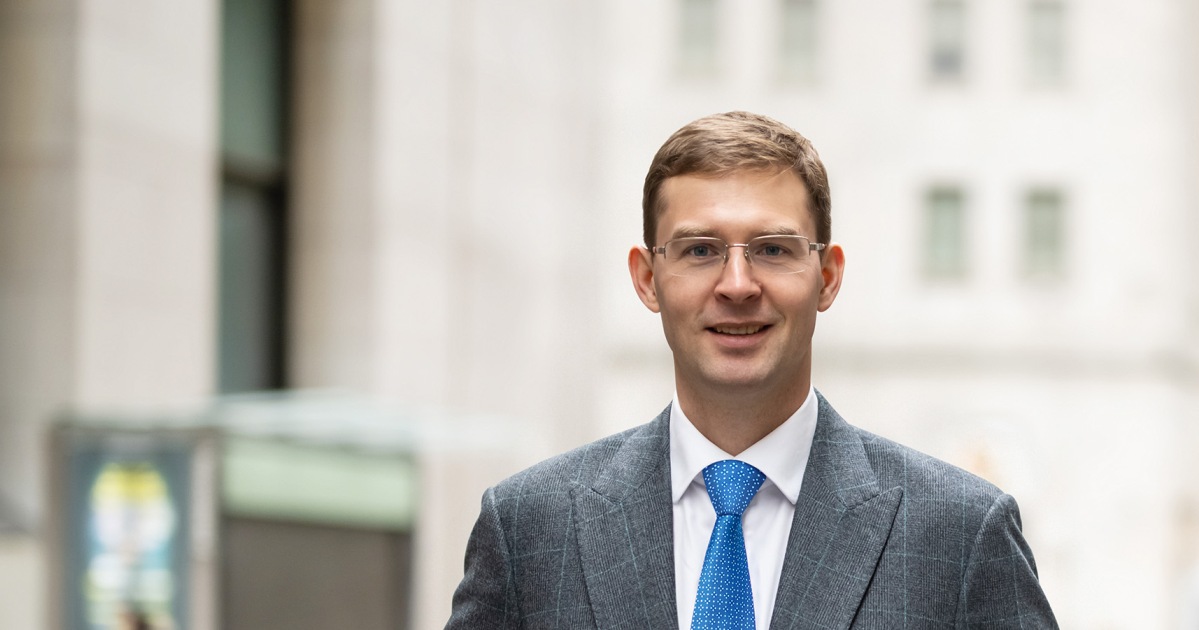
Timur Turlov, elected FIDE President just weeks ago, now faces asset seizure proceedings in Russia over allegations that he funded Ukrainian organizations opposing Moscow's war effort. Russian prosecutors have targeted not just Turlov himself but his business partner Arkady Shchukin and multiple companies under their control, including Freedom Holding Corp. and Freedom Finance Europe Ltd. The lawsuit seeks to designate the defendants as extremists, a legal classification that would open the door to confiscating their assets outright.
The timing cuts deep into chess politics. Turlov won the FIDE presidency on a reform platform, promising to modernize the sport's governance and expand its global reach. His election in April 2024 represented a genuine shift in chess administration. He ran on cleaning up FIDE's structures, improving transparency, and breaking what many saw as entrenched power dynamics. The organization desperately needed fresh leadership after years of dysfunction and financial mismanagement under previous regimes.
Now that credibility faces immediate strain. The Russian government's legal assault raises a central question about how FIDE operates in a geopolitically fractured world. Can the world chess federation maintain its mission as a truly international body when its president faces sanctions and asset seizures from a major chess nation? Russia has historically been a powerhouse in competitive chess, producing elite players and hosting world championships. It cannot simply be ignored in global chess governance.
Turlov's wealth derives from his financial technology ventures, not from chess itself. He entered professional chess circles as a sponsor and patron relatively recently, but his business acumen and resources made him a natural fit for modernizing FIDE's administrative systems. His election promised an era where chess administration operated with corporate discipline rather than backroom politics.
The Russian lawsuit throws a wrench into these plans. Even if Turlov defeats the charges or operates from outside Russia's jurisdiction, the reputational damage complicates his mission. FIDE events in Russia become complicated. Sponsorship deals face scrutiny. The federation cannot afford a president whose legitimacy opponents can challenge as politically motivated.
Turlov has not publicly commented on the lawsuit yet. His defense will likely argue that his support for Ukrainian causes reflects humanitarian concern, not political extremism. Whether FIDE members view this as a personal matter unrelated to his presidential duties or as a disqualifying conflict depends on how the legal proceedings develop and how much political pressure intensifies.
Chess has never been separate from geopolitics. This situation simply makes that reality impossible to ignore.