# Afghan Chess Players Remain Confined as FIDE Weighs Its Options
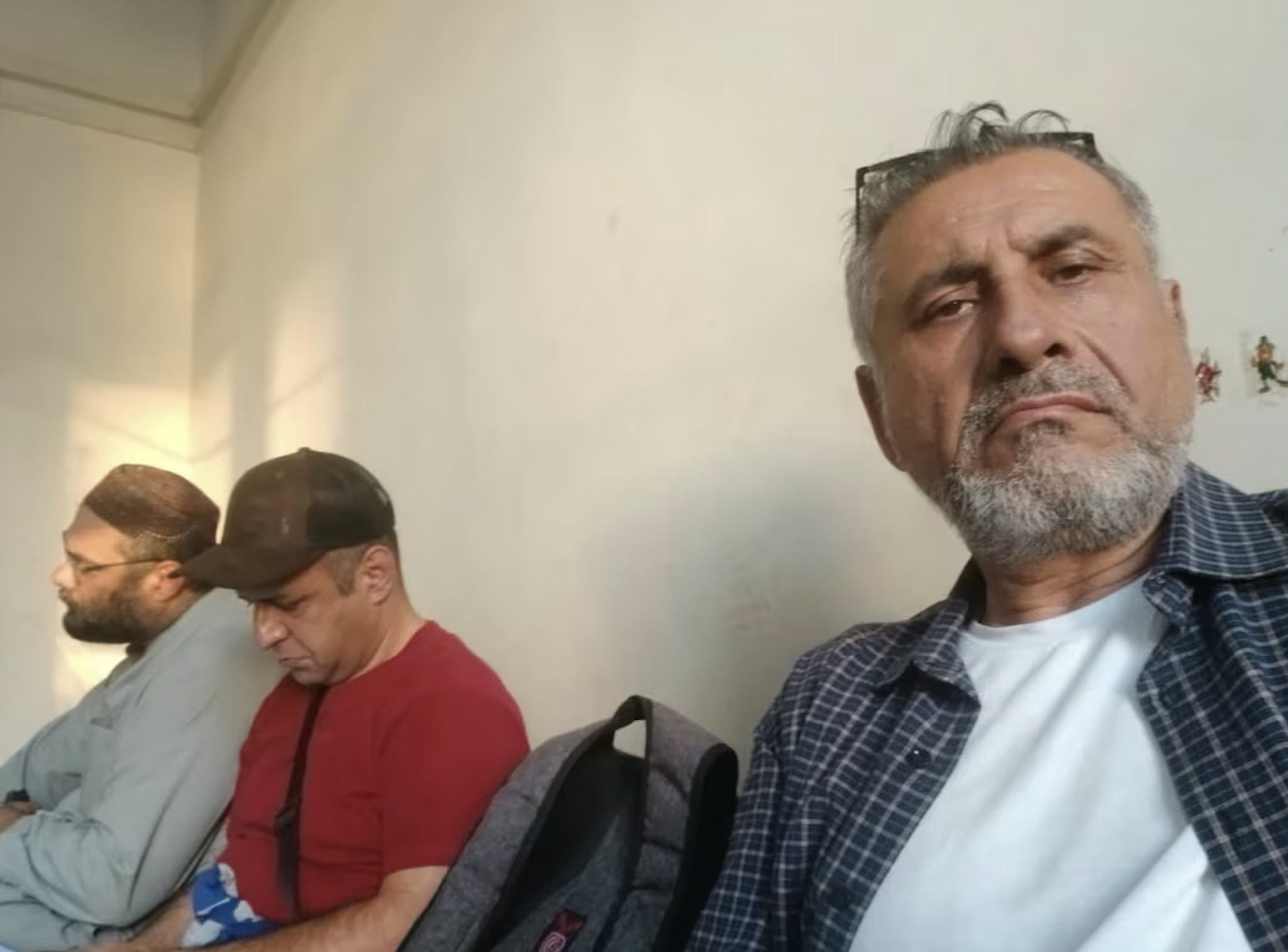
Three Afghan grandmasters are still under house arrest in Kabul. Khaibar Farazi, Habibullah Amini, and Habibullah Guldoost traveled to the Samarkand Olympiad in September without permission from the Taliban-controlled government. Their return home became their imprisonment.
As of early October, no formal charges existed. No sentence had been handed down. The Afghan authorities kept them confined and silent, offering no official explanation to FIDE or the international chess community.
This is not casual detention. According to reporting from El País, the arrests were premeditated. Afghan officials instructed border authorities to watch for the three players specifically, waiting to apprehend them upon arrival. The Taliban government did not learn of their trip and react. It knew they were coming and prepared to stop them.
The question that matters now is what comes next. Under Taliban rule, traveling outside the country without state permission can be treated as a serious offense. Chess as an activity has existed in murky legal territory since 2021, when the Taliban regained power. The new regime has generally tolerated the game, but control over citizen movement is absolute. These three players violated that control.
FIDE has shifted into diplomatic mode. The federation cannot apply pressure the way Western governments can. It cannot impose sanctions on Afghanistan or negotiate with Taliban officials as an equal. What it can do is work through back channels, coordinate with international chess federations, and keep the case from disappearing into the silence that often swallows detained individuals in closed systems.
The Samarkand Olympiad itself represented a political statement. Players competed despite the Ukraine-Russia tension that has fractured international chess. For Afghan players, attending meant even more risk. Chess carries associations with Western culture that hardline Taliban elements distrust. The three players who went understood the danger. They went anyway.
What makes this case different from routine detention is visibility. The chess world is watching. Media outlets have reported their names and faces. A quiet resolution becomes harder for any authority when thousands of chess players across dozens of countries know exactly who is imprisoned and why.
The next development will likely come through FIDE channels, not through public statements from Kabul. Diplomacy works in whispers. Whether it works at all depends on whether the Taliban views these three players as political prisoners or simply as citizens who broke the law. That distinction determines everything.