# German Chess Gets Prime Time. Finally.
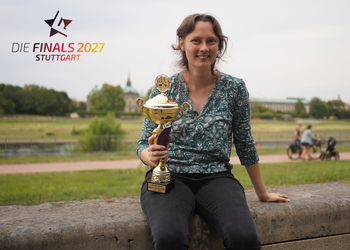
The German Chess Federation just landed what might be the biggest broadcast deal in the sport's domestic history. The 2027 German Blitz Championships will air live on ARD and ZDF, Germany's two major public broadcasters, as part of The Finals multi-sport festival in Stuttgart next August.
This matters. ARD and ZDF reach millions of Germans. Prime time television exposure for chess remains rare in most countries, even the ones with strong chess traditions. Germany has produced world champions. It has deep roots in the game. But until now, the German blitz championships never cracked mainstream broadcast slots.
The Finals itself is the key here. Think of it as Germany's answer to a national sports week. It bundles athletics, swimming, badminton, gymnastics, and dozens of other national championships into a single event, all televised. It's a proven formula for giving niche sports access to casual viewers who might never tune in otherwise. Now chess joins that lineup for the first time.
The DSB timed this announcement for October 12, signaling serious infrastructure planning. The championships happen August 1, 2027, giving organizers nearly three years to build production workflows, secure commentary talent, and figure out which matches make the broadcast cut. Blitz chess translates better to television than classical chess anyway. Games finish in minutes. The action compresses. No five-hour pauses between moves.
Stuttgart as the host city is practical. It's a major metropolitan area with existing broadcast facilities and tournament infrastructure. The timing within The Finals' July 29 to August 1 window slots chess into a heavy competition schedule, which means broadcasters will need to decide how many rounds and which players get screen time.
The real question now becomes format. Do they broadcast the full championship or highlight rounds? Do they invite the German elite like Jan-Krzysztof Duda or Matthias Bluebaum to boost ratings, or strictly run the national championships as ranked? ARD and ZDF probably want drama, upsets, and recognizable names. That tension between competitive integrity and entertainment value will shape how the DSB structures this event.
For German chess, this opens doors. Young players get television exposure. The federation gains funding leverage for other events. Sponsors suddenly see chess as viable. One successful broadcast could lead to 2028, 2029, repeat coverage. That's how niche sports break through in television markets.
This is the kind of move that changes player development. Kids watch their national champions on live television and think differently about chess careers. The German federation just understood something many chess organizations still miss: broadcast access is where chess grows.