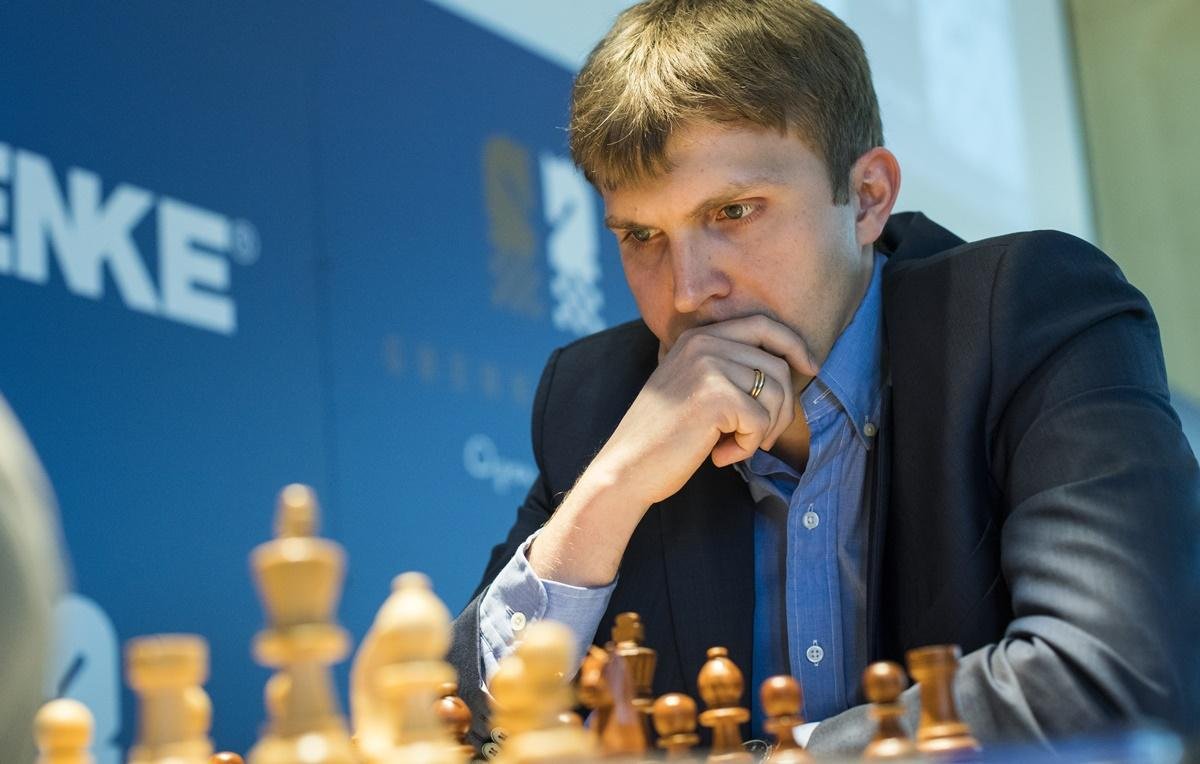
Nikita Vitiugov, England's highest-rated grandmaster, has retired from competitive chess. The 2650-rated GM made the announcement directly, citing a philosophical divide between his approach to the game and where his career has landed.
Vitiugov's reasoning cuts to something deeper than fatigue or burnout. He never played chess casually. Chess consumed him. Every tournament had to mean progress. Every game had to push him forward. Once that upward trajectory flattened, continuing felt like a betrayal of what the game demanded from him.
"I was never able to give chess less than everything," he explained. The implication hangs there: if he couldn't improve, he couldn't justify staying.
This retirement matters for English chess. Vitiugov held the crown as the country's top-rated player. At 2650, he remained a respectable grandmaster by any measure, still capable of beating strong opposition and contributing to the British competitive scene. He wasn't declining into obscurity or facing a ratings collapse. He was walking away from a perfectly functional career because the terms no longer aligned with his standards.
The decision reflects a mentality rarely discussed in professional chess. Most players at Vitiugov's level chase rating points, tournament invitations, and the status that comes with elite GM credentials for as long as possible. Vitiugov instead treated his chess the way top athletes treat their sport. You perform or you leave. You progress or you go home.
England loses a significant rating point contributor. The Four Nations Chess League, the British League, the Olympiad team selections, elite tournament spots. Vitiugov was a reliable presence in those competitions. His departure creates a small but real vacuum in the upper reaches of British chess.
What happens next depends on whether he transitions into coaching, commentary, or organizational roles. Many retired elite players eventually channel their knowledge and competitive intensity into developing the next generation. Vitiugov's all-or-nothing mentality could make him an effective teacher. He won't accept mediocrity from students any more than he accepted it from himself.
The broader lesson sticks with you though. In chess we often measure success by rating points, tournament wins, and longevity. Vitiugov measured it differently. He knew what he required from himself, recognized when circumstances no longer met that standard, and walked away with clarity. There's something honest about that, even if England's chess federation will feel the loss.