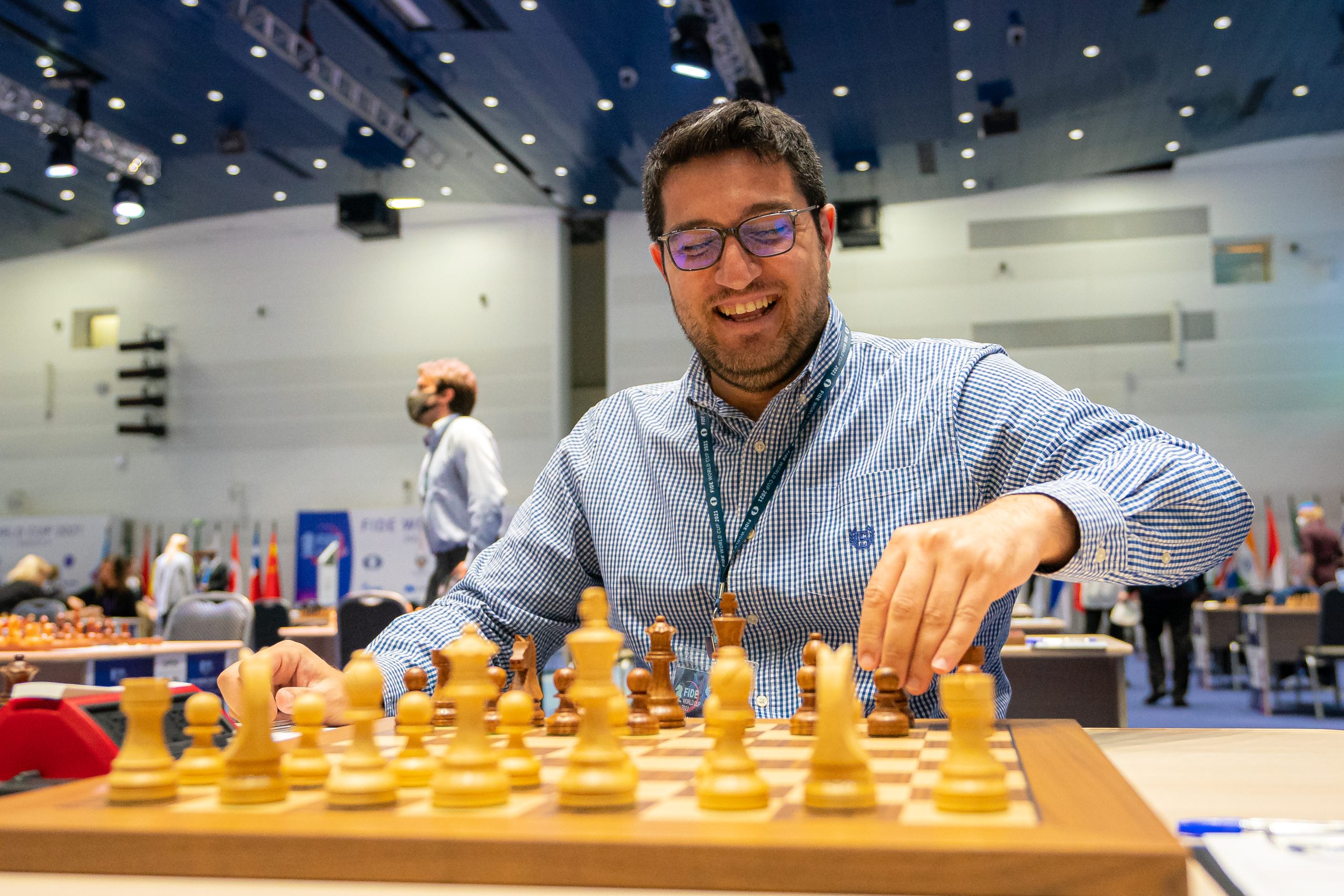
Vasif Durarbayli just learned a hard lesson about internet discourse. The Grandmaster and ChessEver founder posted a thread on X laying out his vision for the online chess market, describing Chess.com as the capitalist pole and Lichess as the communist pole, with his own platform staking territory in the middle. Within a day, Reddit pounced on the "communist" label, and Durarbayli backtracked, admitting he misread Lichess founder Thibault Duplessis' GitHub bio and said he would stop using the framing.
The gaffe overshadowed what Durarbayli actually wanted to say. ChessEver isn't attacking Lichess or Chess.com. It's positioning itself as a third option designed specifically around live events and tournament play.
Here's the real story: there are now three major platforms competing for online chess. Chess.com dominates in sheer user count and revenue. Lichess runs on donations and volunteer labor, offering free access to everything except cosmetics. ChessEver enters the space with a different bet.
Durarbayli's pitch targets tournament organizers and serious players who want a dedicated live event experience. Think of it less as a daily puzzle and casual blitz site and more as a tournament infrastructure platform. Players and organizers have real frustrations with both incumbents. Chess.com's tournament tools are scattered across the site, and monetization decisions sometimes alienate players. Lichess, while beloved for its openness and features, lacks resources to build enterprise-grade tournament management tools. There's room in the market.
The political economy language Durarbayli used was clumsy, but the instinct wasn't entirely wrong. Lichess does operate on principles of maximum openness, zero paywalls, and community contribution that align with open-source values. Chess.com runs a for-profit business. ChessEver is attempting a middle path: premium features for serious players and organizers while keeping core functionality accessible.
What matters now is execution. The online chess market isn't zero-sum. Players use multiple platforms. A professional might have a Chess.com account for rating credibility, a Lichess account for study, and a ChessEver account for tournament participation. If Durarbayli can deliver better tournament infrastructure and a smoother event experience, he's identified a real gap.
The X thread drama won't hurt him much. Online chess communities are used to spirited debate about platform philosophy. What will hurt him is if ChessEver fails to build something organizers and players actually prefer. The easy part is the pitch. The hard part is the product.