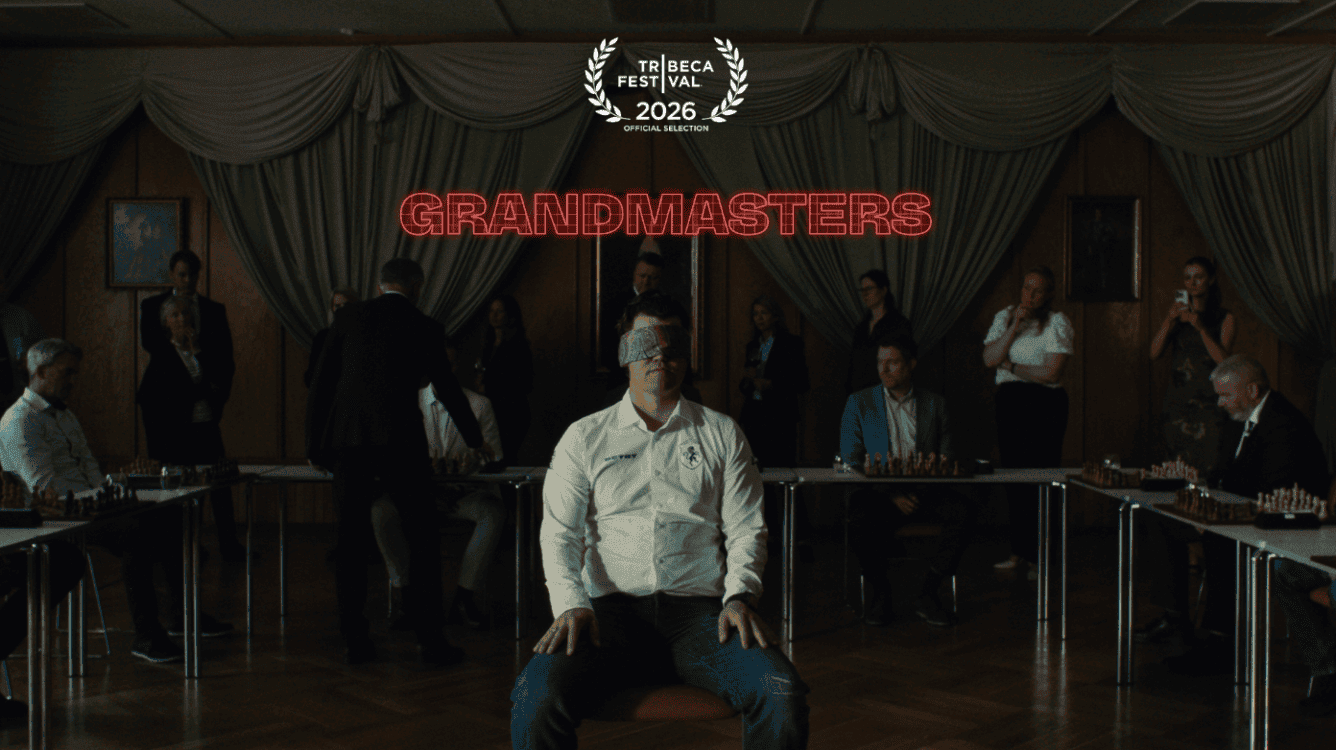
# 'Grandmasters' Film Brings Chess to the Multiplex with Carlsen, So, and Niemann
Chess just walked into your local AMC theater. "Grandmasters," a documentary tracking Magnus Carlsen, Wesley So, and Hans Niemann, hit 92 American multiplexes on October 11, marking one of the rare moments when competitive chess breaks into mainstream cinema beyond the Bobby Fischer legend.
This timing matters. The three players represent different angles on modern chess: Carlsen as the long-reigning world champion and dominant force, So as the highest-rated American fighting for relevance at the elite level, and Niemann as the controversial young gun whose meteoric rise generated accusations of computer assistance that he has denied. That trio alone tells you the filmmakers aren't interested in a hagiographic snooze. These men have tension between them. They have stories.
The film advertises itself as peering into the lives of grandmasters while addressing structural questions about chess's future. That second part deserves attention. American chess has a pipeline problem. Juniors stream into the chess ecosystem, but converting promising teenagers into world-class competitors remains brutally difficult. Sponsorship dries up. Training partners scatter. The gap between $100,000-a-year players and the ones making millions widens every year. The documentary apparently examines these realities rather than pretending chess exists in a vacuum.
Distribution at 92 theaters suggests limited but targeted release. This isn't a multiplex saturation play. The filmmakers know their audience. Chess enthusiasts will seek this out. Casual moviegoers wandering into the multiplex? Unlikely. That's fine. Chess documentaries live or die based on whether they compel the people already invested in the game.
The release comes at a moment when chess media consumption has shifted dramatically. Pandemic-era streaming boom brought millions into the game via YouTube and Twitch. Tournaments broadcast live with commentary reach audiences traditional TV never touched. A theatrical documentary feels almost quaint. Yet there's something about sitting in a theater with a hundred other people watching Carlsen grimace over a losing position, or Niemann explain himself, that streaming cannot replicate.
Wesley So remains the film's most underrated subject. He holds the second-highest rating in the United States and represents an entire generation of American grandmasters working in relative obscurity while European and Indian players dominate headlines. His inclusion signals the documentary takes domestic chess seriously.
What happens next depends on word-of-mouth from the chess community. Does it expand to more theaters? Does it land on a streaming platform? Chess fans will determine that box office conversation. If the film successfully captures what drives these players to pursue a game where the financial rewards rarely match the obsession required, it might reach beyond the 64 squares. If it descends into melodrama and narrative cliches, it will vanish within weeks.